
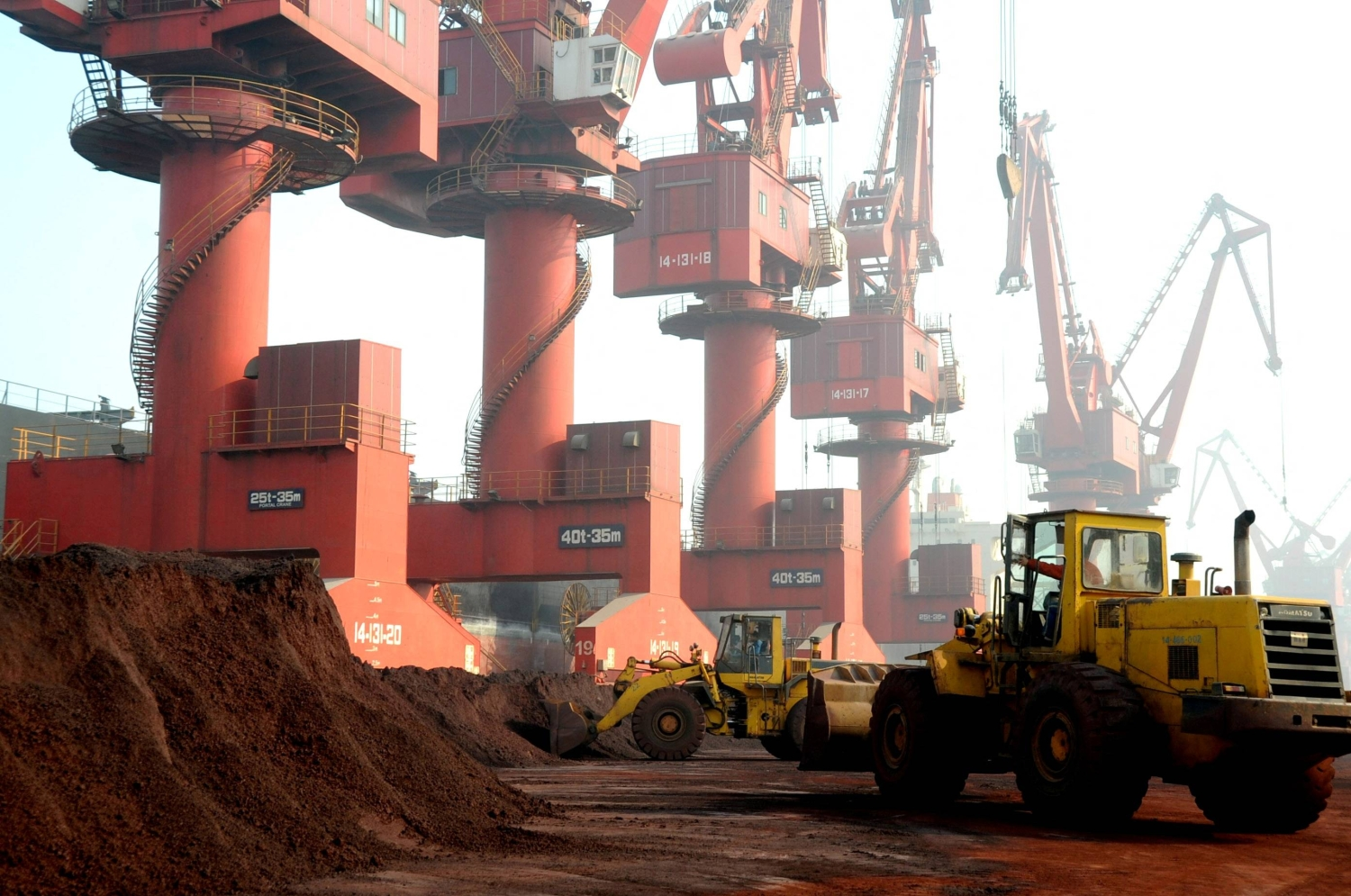
BRUSSELS, BELGIUM, DEC 3 (AFP/APP/DNA):The EU on Wednesday releases its plan to try to end the 27-nation bloc’s dependence on China for rare earths, as Beijing’s stranglehold threatens key industries.
China, the world’s top producer of rare earths, in October announced new controls on the export of the elements, which are used to make magnets crucial to the auto, electronics and defence industries.
The move rattled markets and snarled supply chains until China later said it would suspend the curbs for one year.
Already since April, Beijing has required licences for certain exports of the materials, hitting global manufacturing sectors.
EU industry chief Stephane Sejourne has called on the bloc to “step up” against what he said was essentially a “racket” being run by Beijing.
The new plan will look to push for the EU to speed up the joint purchasing of critical raw materials including rare earths, accelerate production and recycling in Europe, work with reliable partners and conclude new partnerships.
The EU’s executive will also propose next week the creation of a European Centre for Critical Raw Materials that will be the bloc’s supply hub, modelled on Japan’s state-run Japan Oil, Gas and Metals National Corporation.
The EU finds itself squeezed between China’s restrictions and the United States under Donald Trump, which is negotiating bilateral agreements on all fronts to secure its own supplies.
A study published Monday by the EU Chamber of Commerce in China said 60 percent of its members expected disruptions to their supply chains because of government-imposed restrictions, and 13 percent fear they may have to interrupt or slow down their production.
“The situation is really urgent from our perspective,” said Florian Anderhuber, the deputy director general of Euromines lobby group.
“Speed is now of the essence.”
Euromines is calling to accelerate permits for new mines in Europe and to slash the red tape required.
It also wants financing guarantees and initiatives to reduce the price difference between China and Europe, which has acted as a break on producers on the continent.
In addition, the European Commission on Wednesday will update its strategy for ensuring the EU’s “economic security”.
The first strategy was produced in 2023 as the bloc grappled with the harsh lessons from the Covid pandemic and Ukraine war that showed up the fragility of its supply lines.
In the face of new diplomatic and geopolitical tensions, most strikingly a US administration willing to act aggressively on trade against its close allies, Brussels needs a refresh.
The new strategy will look to revise how Europe can use its most potent trade tools such as controls on foreign investment and export restrictions, to flex its own muscles.
















:The EU on Wednesday releases its plan to try to end the 27-nation bloc's dependence on China for rare)