

BY MUHAMMAD MOHSIN IQBAL
On Friday April 18, 1986, the final match of the Austral-Asia Cup between Pakistan and India was awaited with a rare intensity. Even a day before the encounter, it felt as if the entire nation had paused in anticipation. The next day, households ensured every task was completed well before time, and people gathered in front of their television sets as though attending a national ceremony. The stadium was filled to the brim with enthusiastic fans from Pakistan and India. Pakistan won the toss and chose to field first. India, with steady composure, posted a total of 245 runs in 50 overs, losing only seven wickets. It was a respectable score, neither modest nor unreachable. But what followed tested the nerves and faith of an entire nation.
From the very beginning, Pakistan’s batting faltered. Wickets tumbled in rapid succession, and before long, five Pakistani players had returned to the pavilion without even reaching double figures. Each dismissal tightened the atmosphere. Yet, in the midst of this collapse, one man stood firm—Javed Miandad. His presence at the crease was a lesson in courage, strategy, and unwavering belief. With every run he scored, he injected hope back into millions of hearts. He fought like a lone warrior, shielding one end with extraordinary grit, accumulating 110 precious runs.
As the match neared its conclusion, the tension was nearly unbearable. It all came down to the last ball; Pakistan was nine wickets down and four runs were required to win. Chetan Sharma charged in to bowl, and every Pakistani watching held their breath. It was a full toss—an error that destiny perhaps had reserved for this very moment. And Miandad, with the calmness of a seasoned maestro and the audacity of a champion, swung it over the boundary. The stadium erupted, and so did the entire nation. Pakistan won the match, but more than that, it won a memory that would live across generations.
Today, nearly four decades later, those who witnessed that remarkable day can still recall the roar of triumph, the disbelief, and the sheer exhilaration of that victory against India. Even now, Javed Miandad remains a hero etched in our collective memory. His name evokes pride, gratitude, and admiration for what one man’s courage can achieve. Chetan Sharma, though a good and promising fast bowler, saw his career overshadowed by that one unforgettable six.
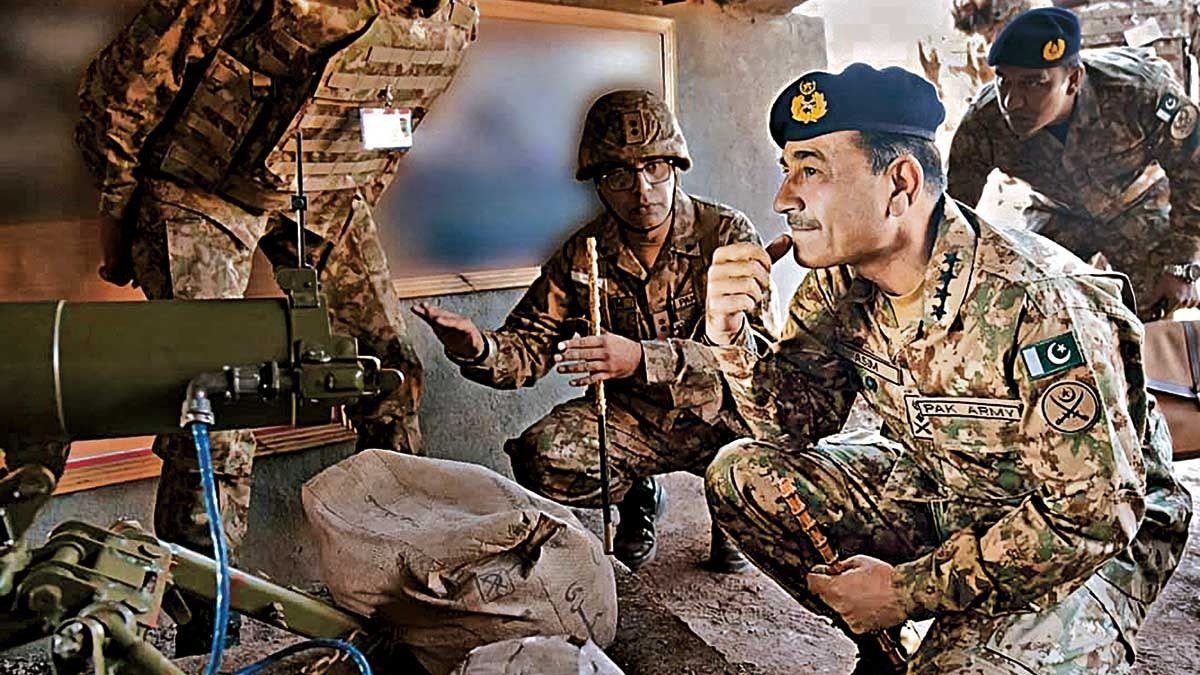
If we, as a nation, do not forget the hero who secured a cricketing victory for Pakistan, then why should we hesitate to honour the commander who secured a real war victory for the country? If a sportsman’s triumph earns eternal respect in our hearts, then surely the general who safeguarded the nation’s dignity and defended its frontiers deserves even greater reverence. It is in this spirit that the nomination of General Syed Asim Munir as Field Marshal and subsequently as Chief of Defence Forces stands as a testament to his distinguished service, remarkable leadership, and historic achievements. His elevation is not merely a ceremonial gesture; it is recognition of his steadfast devotion to Pakistan, his strategic brilliance, and the honour he has brought to our armed forces across the world.
General Syed Asim Munir’s career reflects a blend of military excellence, diplomatic wisdom, and an astute understanding of Pakistan’s economic and security landscape. As a soldier, he has served on critical postings where clarity of mind and firmness of resolve were indispensable. His command in the most sensitive regions demonstrated his deep understanding of modern warfare, counter-terrorism, intelligence coordination, and the challenges posed by hybrid threats. He proved himself not only as a battlefield leader but also as a guardian of national security who could anticipate dangers before they emerged.
On the foreign front, General Asim Munir projected Pakistan’s image with dignity and confidence. His engagements with global leaders reaffirmed Pakistan’s commitment to peace, stability, and responsible partnership in international affairs. He played a vital role in restoring balance to Pakistan’s diplomatic relationships, strengthening ties with the Middle East, Central Asian republics, United States, China, and other allies. His ability to articulate Pakistan’s strategic concerns with clarity earned respect in foreign capitals and elevated Pakistan’s standing at various international forums.
Equally important was his contribution to stabilising Pakistan’s economic environment. At a time when the country faced acute financial turbulence, General Asim Munir facilitated coordination between security institutions, the economic team, and foreign partners. His efforts to support investment initiatives, including collaboration with Gulf states, contributed to renewed confidence in Pakistan’s economic potential. By ensuring internal stability, he directly reinforced an environment conducive to economic recovery—a role often overlooked but vital for national progress.
Leadership, in its true sense, is a gift bestowed by Allah upon whom He wills. As the Qur’an reminds us, Allah grants honour to whom He wishes and brings low whom He wishes. When a nation witnesses the rise of a leader whose integrity, discipline, and devotion inspire faith, it must acknowledge that such elevation comes from a higher decree. General Syed Asim Munir’s journey reflects that divine principle: perseverance rewarded, sincerity recognised, and service honoured.
Just as Javed Miandad’s last-ball six became a timeless symbol of victory for Pakistan, the steadfast leadership of Field Marshal Syed Asim Munir stands as a beacon of strength, pride, and security for the nation. Heroes in sports give us joy; heroes in uniform safeguard our existence. Pakistan’s salute to its defenders is not merely tradition—it is gratitude, carved into the nation’s conscience.