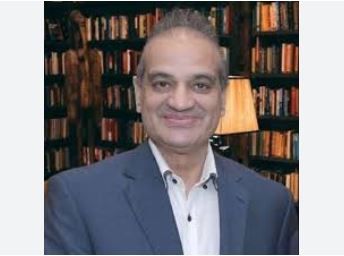
By Ansar Mahmood Bhatti
Azerbaijan stands as a unique geographical and cultural bridge between East and West, situated at the strategic crossroads of Europe and Asia. In a global landscape often marred by sectarian strife and religious polarization, the Azerbaijani government’s approach to religious tolerance has emerged as a beacon of peaceful coexistence. The nation has successfully cultivated an environment where diverse faiths including Muslims, Christians, and Jews exist in a state of genuine harmony, supported by a state apparatus that views interfaith dialogue not just as a policy, but as a fundamental cornerstone of its national identity.
The foundation of this pluralism is rooted in the country’s secular constitution, which defines Azerbaijan as a republic where religion is formally separated from government affairs. This secular framework is essential, as it prevents any single faith from dominating the political or social sphere, thereby ensuring that all citizens, regardless of their personal beliefs, enjoy equal rights and protections.
This legal neutrality provides a safe harbor for the country’s Shia and Sunni populations to coexist without major sectarian conflicts. In Azerbaijan, it is common to see these two branches of Islam praying together in the same mosques, a rare and powerful symbol of unity.
Beyond the Islamic majority, Azerbaijan is home to a rich tapestry of religious minorities that have flourished for centuries. One of the most notable is the Jewish community, which is among the oldest in the region. The Mountain Jews of Azerbaijan have lived in the country for over two millennia, reporting a history of peaceful coexistence and an absence of state-sponsored anti-Semitism. Similarly, Christian communities, including Russian Orthodox, Catholics, and the descendants of the ancient Caucasian Albanians, practice their faith openly. The state provides active financial and logistical support for the maintenance and restoration of churches and synagogues, demonstrating a commitment to preserving the physical heritage of all its religious groups.
President Ilham Aliyev has consistently championed the idea that multiculturalism and tolerance are not just political slogans but a lifestyle for the Azerbaijani people. He has often emphasized that every year in the country is a year of tolerance, reflecting a cultural identity that embraces diversity as a strength. To project this image on the world stage, the government regularly hosts and organizes prestigious international forums, such as the “From Interreligious and Inter-civilizational Dialogue towards Cooperation” forum in Baku. These events position the capital as a global hub for discussions on peace, effectively using the nation’s internal harmony as a tool for international diplomacy and soft power.
International observers, including myself, have frequently visited Azerbaijan and lauded the Azerbaijani model. Rabbi Marc Schneier, a prominent advocate for interfaith relations, has noted that tolerance in Azerbaijan is deeply embedded in the daily life and psyche of the people rather than being a superficial or temporary campaign. By institutionalizing this respect through secular law and active state promotion, the government has created a stable society that prioritizes national unity over sectarian division.
As a unique example of this inclusive ethos, the Azerbaijani government has extended its commitment to religious preservation to the churches, particularly within the newly liberated territories. In these years, the state has implemented rigorous measures to ensure that no harm comes to any place of worship.
A prominent example of this magnanimity is the Armenian Church of St. Gregory the Illuminator in the heart of Baku. Despite the fact of the cultural genocide committed by Armenia against the Azerbaijani sites, including holy places, the government of Azerbaijan has fully restored and maintained the mentioned church.
By treating the religious monuments of its neighbors with dignity and respect, Azerbaijan’s leadership demonstrates a high degree of statesmanship. This policy of safeguarding the heritages underscores the Azerbaijani government’s belief that religious sites belong to humanity and must be protected as part of a shared global heritage. Such actions not only preserve history but also serve as a vital gesture toward long-term reconciliation and peace in the South Caucasus.
While some international human rights groups observe that the government’s model prioritizes stability and state control, the tangible results of this policy are visible in the peaceful streets of Baku and the diverse villages across the country. Azerbaijan’s commitment to supporting minority communities and maintaining a secular framework allows it to stand out as a model of harmony. By preserving its centuries-old tradition of coexistence, Azerbaijan offers a vital blueprint for how the modern world can navigate the complexities of religious diversity in the twenty-first century.
The writer is a senior journalist who has visited Azerbaijan on multiple occasions. This article is based on his personal experiences and firsthand interactions.