Monitoring Desk
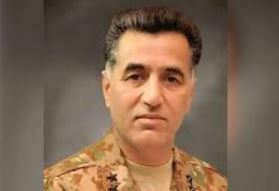
ISLAMABAD: Former chief of Inter-Services Intelligence (ISI) Faiz Hameed‘s lawyer confirmed on Monday that an appeal had been filed against the ex-spymaster’s sentencing by a military court.
“Yes, we have appealed his sentencing,” Hameed’s lawyer, Mian Ali Ashfaq, but did not share any details about the appeal.
Hameed was sentenced to 14 years rigorous imprisonment by a military court on December 11 after being convicted on four counts related to violating secrecy laws, engaging in political activities, misuse of authority and causing harm to others.
He had a 40-day window following his conviction and sentencing to appeal against the Field General Court Martial (FGCM) decision, according to Section 133B of the Pakistan Army Act.
The appeal is first reviewed by a Court of Appeals, led by a major general or higher, as designated by the army chief. The chief then holds the authority to confirm, revise, or overturn the sentence.
Historically, the military’s appellate process has stretched over several years.
Announcing Hameed’s conviction and sentencing on December 11, the military’s media wing had said in a statement that the process of FGCM was initiated against him on August 12, 2024 under provisions of the Pakistan Army Act, spanning over 15 months.
“After lengthy and laborious legal proceedings, the accused has been found guilty on all charges and sentenced to 14 years rigorous imprisonment,” Inter-Services Public Relations (ISPR) had said.
ISPR had further stated that the “involvement of convict (Hameed) in fomenting vested political agitation and instability in cohorts with political elements and in certain other matters is separately being dealt with”.
Hameed was referred to in the statement as “Mr Faiz Hameed, formerly a lieutenant general”, creating the impression he may have been stripped of his rank, although ISPR did not explicitly confirm this.
A source familiar with internal procedures told at the time any such withdrawal “is done through an administrative order” as per established rules, but declined to confirm whether it had occurred in this case.