RAWALPINDI, DEC 31 /DNA/ – Pakistan’s economic performance in 2025 marks a decisive shift from stabilization toward a sustained, productivity-driven expansion, achieved despite fiscal tightening and climate-related shocks. The latest growth indicators are highly encouraging, with 3.71% GDP growth recorded in the first half of FY2026, reflecting continuity of the recovery momentum built during 2025.
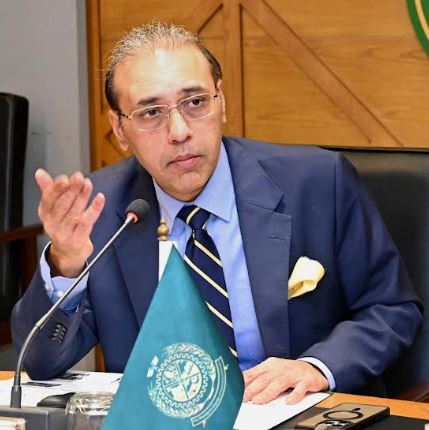
These views were expressed by President of the Rawalpindi Chamber of Commerce & Industry (RCCI), Usman Shaukat, during his appearance on Pakistan TV Global’s flagship current affairs program “Beyond Borders.” The RCCI President shared an in-depth assessment of Pakistan’s economic turnaround and future outlook.
Speaking on the program, Mr. Shaukat emphasized that macroeconomic stability was a prerequisite for microeconomic improvement, noting that recent data now clearly demonstrates the trickle-down impact of stabilization measures, with industry-led growth becoming increasingly visible.
Highlighting key economic indicators, he noted 2.7% real GDP growth in 2025, historically low inflation touching 0.3% in April 2025, and the current account transitioning from deficit to surplus in FY2025—a major milestone for Pakistan’s economy. He further pointed out that foreign exchange reserves reaching USD 21 billion marked the highest level in many years, significantly strengthening external confidence.
Referring to capital markets, Mr. Shaukat stated that strong macroeconomic fundamentals have translated into robust corporate earnings, with the Pakistan Stock Exchange crossing 174,000 points, emerging as one of the best-performing markets in Asia and reflecting renewed investor confidence.
The RCCI President also welcomed progress on long-pending privatization initiatives, citing movement on PIA privatization as a positive signal for long-awaited structural reforms. He acknowledged that while fiscal discipline under the IMF program remained tight, achieving growth under such conditions underscores the return of economic confidence.
On monetary policy, Mr. Shaukat observed that interest rates, once as high as 24%, have eased substantially, enabling capital to flow from banks into productive and industrial sectors, which is critical for sustainable economic growth.
Concluding his remarks, Mr. Usman Shaukat expressed optimism about Pakistan’s economic trajectory, stating that 2025 has emerged as a turning point, with stability translating into growth, opportunity, and renewed confidence for businesses and investors alike.