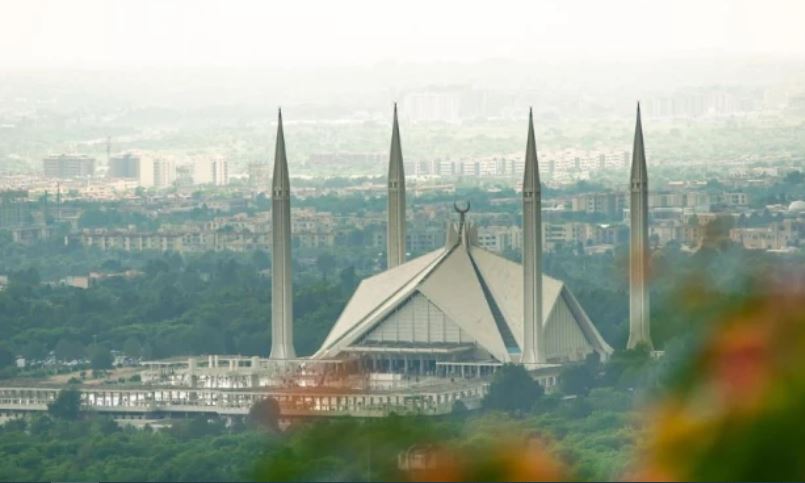
ISLAMABAD, 18 JAN (DNA) — The concerned citizens and experts speaking at a webinar raised their apprehensions on the growing environmental crisis in Islamabad caused by rapid, unplanned, and largely irreversible urban development by the Capital Development Authority (CDA) and different housing societies in violation of zoning rules and regulations. Speakers stressed that the city’s green spaces are steadily being replaced by concrete due to weak governance, elite capture, and a persistent conflict between populist decision-making and professional, science-based planning.
A key outcome of the discussion was the strong call for a new, collaborative approach to sustainable urban development through the establishment of a dedicated Islamabad-focused think tank. Participants emphasized the need to bring together independent professionals, policymakers, civil society, and creative communities including architects, designers, and artists to develop long-term, people-centered solutions.
The webinar underscored that environmental degradation is not only an ecological issue but also a major public health concern, making citizen engagement and collective responsibility essential.
The session stressed with a shared resolve that Islamabad’s green future depends on informed decision-making, institutional reform, and sustained public participation in shaping the city’s development trajectory.
The thought-provoking webinar was organised by the Development Communications Network (Devcom-Pakistan) on the subject “Islamabad’s Green Future – Coping with Irrational Development” that brought together environmental experts, policymakers, civil society members, and concerned citizens to deliberate on the growing environmental challenges facing Pakistan’s capital.
Well-known environment expert Dr. Tariq Banuri, highlighted that environmental protection efforts are further undermined by institutional weaknesses and the marginalization and at times harassment of environmental professionals and activists working to safeguard natural areas such as protected hills, forests, and wildlife habitats. Participants agreed that without transparent, democratic, and inclusive governance, Islamabad’s ecological balance will continue to deteriorate.
He focused on the environmental consequences of rapid and often unplanned urban development in Islamabad and underscored the urgent need for sustainable governance models that balance economic growth with environmental conservation.Dr. Banuri highlighted that Islamabad’s environmental degradation is a symptom of deeper governance challenges. He pointed to elite capture, weak institutional frameworks, and the ongoing tension between populism and professionalism as key factors driving the replacement of green spaces with unchecked concrete development.
He also expressed concern over the harassment and marginalization of environmental activists and professionals, including members associated with the Islamabad Wildlife Management Board (IWMB), who have been working to protect the city’s natural heritage. Devcom-Pakistan Executive Director Munir Ahmed said: Islamabad is witnessing an alarming and distressing wave of tree cutting that threatens the very identity of the capital as a green and livable city.
“The unchecked felling of trees in the name of development reflects a serious failure of planning and governance,” said Munir Ahmed, expressing deep concern over the rapid loss of urban greenbelts, roadside trees, and natural green buffers. He warned that this indiscriminate destruction is accelerating urban heat, worsening air quality, increasing flood risks, and eroding biodiversity, while also undermining the mental and physical well-being of citizens.
According to him, trees are being treated as expendable obstacles rather than essential infrastructure, despite their critical role in climate resilience and public health. — DNA