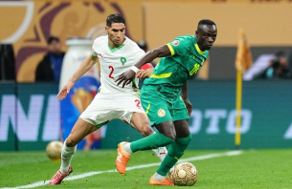
RABAT, JAN 19 /DNA/ – Marked by artistic shows reflecting Africa’s cultural wealth and the vibrant energy of its youth, and embodying the spirit of cooperation, unity, and competitivity carried by this tournament, this ceremony honors a competition that brought together an entire continent and conquered the whole world.
At the close of the match, the Prince Moulay Rachid joined the podium to hand over trophies and medals to the Moroccan finalist team, and to the Senegalese team, winners of this edition of the AFCON.
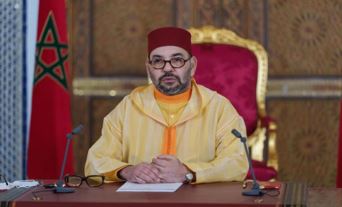
The CAN was a historic event for the country, far beyond a simple sporting challenge. The CAN has been a major political, strategic and symbolic moment for the Kingdom and for the king Mohammed VI. Through its scale, popular success and the quality of its organisation, it has served as a showcase for contemporary Morocco: a country that is investing in its infrastructure, its international image and its ability to welcome the world, while already looking ahead to 2030, when it will co-host the World Cup with Spain and Portugal.
In this occasion, His Majesty the King Mohammed VI, sent a congratulatory telegram to the members of the national football team. His Majesty’s telegram read: “On the occasion of your reaching the final of the Africa Cup of Nations (Morocco 2025), we are pleased to send to you, players, coaches, technical, medical and administrative staff, and officials of the Royal Moroccan Football Federation, our warmest congratulations on this honorable continental achievement.”
His Majesty continued, “Through this distinguished journey, you have proven that perseverance, seriousness, and a collective spirit are the way to achieve accomplishments, and you have presented the world with a model of what Moroccan and African youth can achieve when they are armed with confidence in their talents and abilities.”
The telegram also stated, “You have provided evidence, through your composure and honorable heroic performance, of the importance of our strategic vision in investing in human capital and in modernizing the Kingdom’s infrastructure, which has demonstrated its strength and global readiness in anticipation of hosting the 2030 World Cup.”
The King said, “As much as we consider our country’s hosting of this distinguished championship, with its befitting quality of organization and warm reception stemming from the virtues and ancient values of our Moroccan nation, a great sporting achievement, we also consider it a message of hope and confidence from Morocco to its continent, confirming that African genius is capable of excellence and creativity in all fields”.
His Majesty concluded, “While we commend, with all appreciation, the passionate Moroccan fans who supported the national team throughout this tournament with great enthusiasm and confidence in all its components, we urge you to continue your efforts to achieve more accomplishments and to bring honor to Moroccan football in various international football forums, with our utmost affection and high regard.”
Morocco has developed a strategy for its football programme, aiming to become one of the leading African countries and among the best in the world. In 2008, the country and its king established the Mohammed VI Football Academy, which opened in 2009. The academy mimics the training centres of international clubs, and the project aims to promote Moroccan football, which previously relied heavily on dual-nationality players and lacked continental success. Following the king’s instructions, the state tasked the Mohammed VI Football Academy with ‘discovering and training young Moroccan talent and providing them with athletic and academic support.’ The goal is to ‘encourage the emergence of professional football players and contribute to the overall development of Moroccan football.