LAHORE, JAN 24 (DNA): Spokesperson to the President of Pakistan, Murtaza Solangi, on Saturday termed the four-decade rule of Maharaja Ranjit Singh as a remarkable model of indigenous governance, highlighting its secular character, administrative unity and rich local craftsmanship.
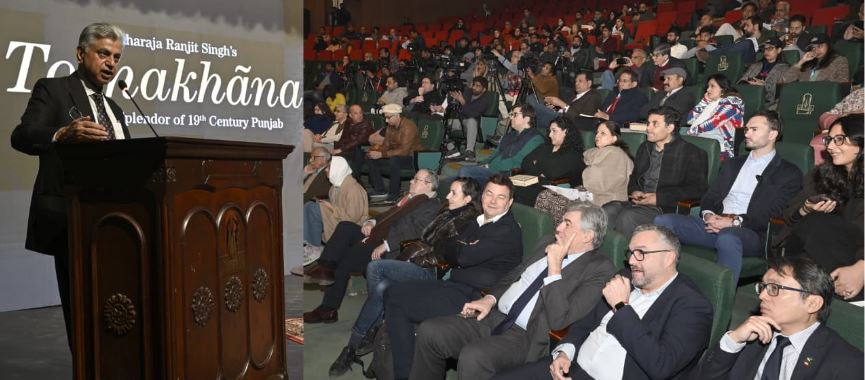
Speaking at inaugural ceremony of an exhibition in connection with Afkar-e-Taza-Thinkfest 2026 held at Alhamra Hall here on Saturday, Solangi said it would be inaccurate to describe Maharaja Ranjit Singh’s rule as imperial or monarchic, noting that there was no clear successor after his death and the consequences of that period were well known. He said that during his reign, Punjab was unified and expanded beyond its traditional boundaries to Peshawar, Kashmir and Multan.
He expressed particular admiration for the inclusive nature of the administration during that era, stating that despite Maharaja Ranjit Singh’s personal religious beliefs, Muslims and Hindus held key positions in the government. “It was a fairly secular rule, which stands out in history,” he observed.
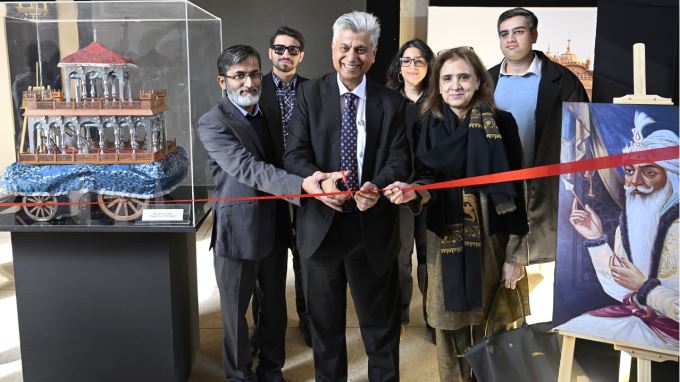
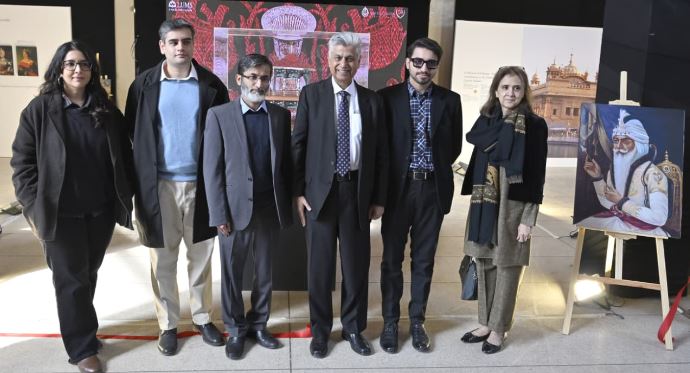
Referring to an exhibition curated by Dr Murtaza Taj and Dr Nazra, Solangi said their work had provided a valuable opportunity to witness the extraordinary craftsmanship of the period. He stressed that most of the artifacts on display were not the result of loot or plunder, but rather reflected indigenous genius and the exceptional skills of local artisans of Punjab.
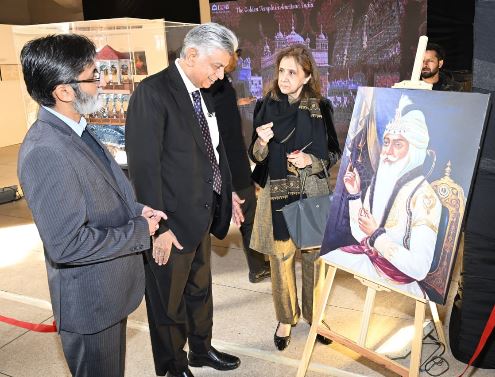
He said the exhibition showcased a wide range of items, including weapons, coins, jewellery, gold artifacts and carriages, all of which testified to the creativity and craftsmanship of the people of the region.
Solangi thanked Dr Murtaza Taj and Dr Nazra for their efforts in preserving and presenting this historical legacy, saying their work had helped especially young people better understand the significance of Maharaja Ranjit Singh’s rule and the developments that took place during those four decades.
He added that such initiatives played an important role in reconnecting the younger generation with their history and cultural heritage.=DNA