From Wall Street to Web3: 5 Financial Instruments Getting a Blockchain Upgrade
Traditional finance was built for a different era: fixed trading hours, multiple intermediaries, slow settlement cycles, and geographic restrictions. Blockchain infrastructure is now modernizing those rails. Instead of replacing Wall Street, Web3 is upgrading it.
Here are five familiar financial instruments getting a blockchain makeover and what that means for global markets.
1. Tokenized Stocks
Equities are leading the on-chain transition. Tokenized stocks mirror publicly traded shares but exist in digital form, enabling 24/7 trading, fractional ownership, and faster settlement. Investors no longer need to wait for the market to open or navigate cross-border brokerage barriers to gain exposure.
For global retail participants, tokenization lowers entry thresholds. For crypto-native traders, it integrates equity exposure into existing digital portfolios. The result is a more accessible and continuous equity market.
2. Tokenized ETFs
ETFs revolutionized diversification in traditional markets. Tokenization extends that efficiency. On-chain ETFs allow smaller allocations, seamless transfers, and trading beyond traditional exchange hours. They also introduce the possibility of programmable exposure meaning assets can interact across digital ecosystems.
For investors seeking diversified access without operational friction, tokenized ETFs represent a natural evolution of passive investing.
3. Gold & Commodities
Gold has long been a hedge during volatility. Blockchain is making that hedge more liquid and portable. Tokenized commodities provide exposure without physical custody challenges. Settlement becomes near-instant, ownership records transparent, and transfers borderless.
In uncertain macro environments, digital access to commodities blends traditional defensive strategies with modern infrastructure, preserving value while increasing flexibility.
4. Treasury Products
Government bonds underpin global financial systems. Now, they’re moving on-chain.
Tokenized treasury instruments provide yield exposure in digital form, potentially integrating into broader crypto markets. Faster settlement and transparent ownership tracking modernize fixed income infrastructure.
As institutions explore real-world asset tokenization, on-chain treasuries are emerging as a foundational bridge between conservative capital and digital liquidity.
5. Stock Perpetual Futures
Perhaps the most crypto-native upgrade is the rise of stock perpetual futures. Unlike traditional derivatives with fixed expirations, stock perps allow continuous leveraged exposure to equity price movements. Traders can hedge, speculate on earnings volatility, or gain directional exposure all within a 24/7 framework.
This hybrid instrument blends Wall Street price discovery with crypto market mechanics, expanding flexibility for active participants.
The Bigger Picture: Infrastructure Is the Real Upgrade
The shift isn’t just about digitizing assets, it’s about redesigning market infrastructure.
Clearing, settlement, custody, and liquidity provisioning are being rebuilt for a world where markets don’t close and participation isn’t limited by geography. The convergence of traditional and digital finance is less about disruption and more about integration.
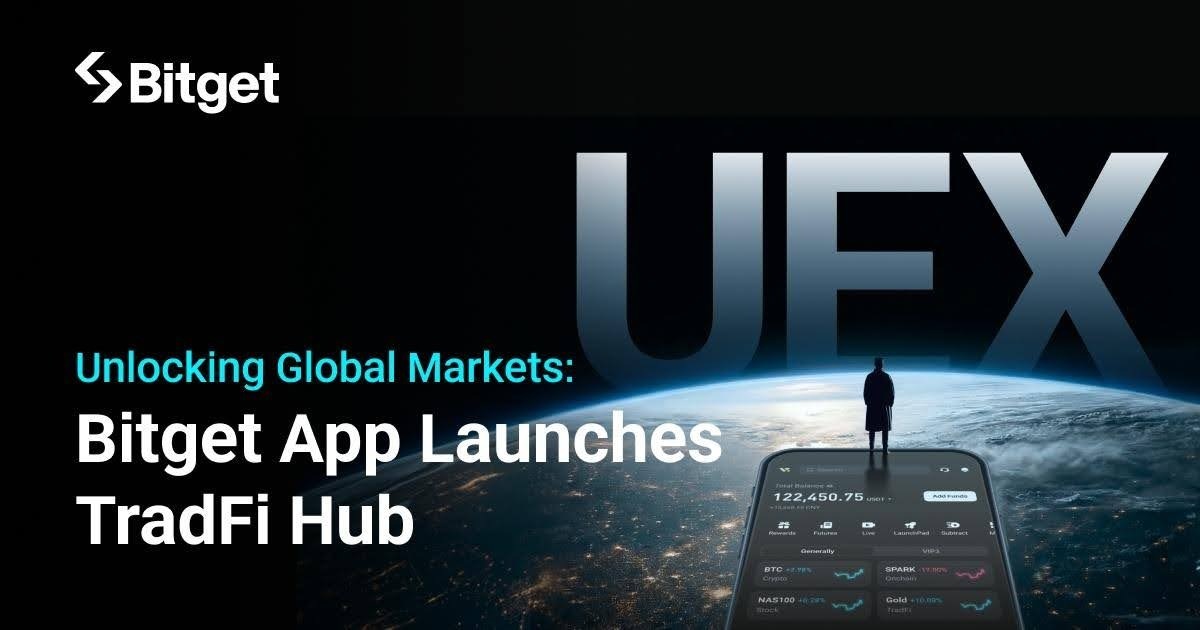
Platforms like Bitget’s TradeFi Hub reflect this evolution offering users access to tokenized stocks, stock perps, and multi-asset trading within a unified environment designed for both crypto-native participants and traditional investors exploring on-chain markets.
A Hybrid Financial Future
Wall Street created global capital markets. Web3 is upgrading how they function.
The direction is clear: finance is becoming programmable, always-on, and globally accessible. The institutions may look familiar but the rails powering them are being rebuilt for a digital-first era.