ISLAMABAD, MAR 18 /DNA/: Information Minister Attaullah Tarar has said that Pakistan is ready to play its role in de-escalating the tensions in the Middle East as the US-Israel war on Iran intensified.
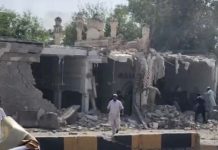
Iran targeted Tel Aviv with missiles carrying cluster warheads in retaliation for Israel’s assassination of its security chief, Ali Larijani, and Basij Commander Gholamreza Soleimani.
Iran’s Supreme National Security Council, which Larijani led as secretary, said Larijani’s son and his deputy, Alireza Bayat, were also killed in an Israeli attack on Monday night.
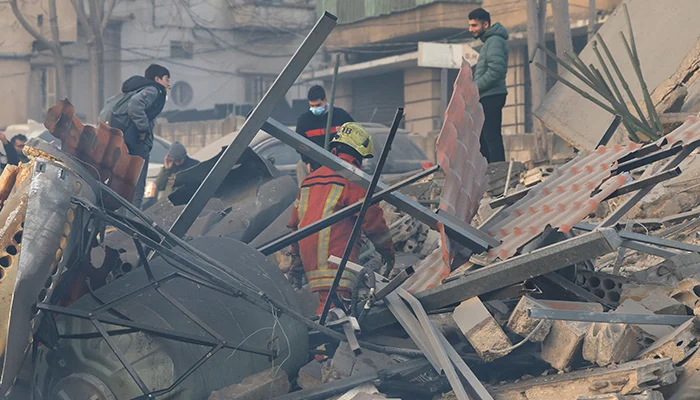
The attack overnight on Tuesday killed two people in a neighbourhood close to densely populated Tel Aviv, where there are also key military facilities, bringing the death toll in Israel from the war to at least 14. A statement by Iran’s Islamic Revolutionary Guard Corps read on state TV said weapons used included Khorramshahr 4 and Qadr missiles, both with multi-warheads.
Israel and the US have said preventing Iran from developing a nuclear weapons programme was one of the goals of the attacks they launched more than two weeks ago, which martyred the country’s supreme leader and many other top officials.
The targeted killings took place as the US-Israeli war on Iran shows no signs of de-escalation.
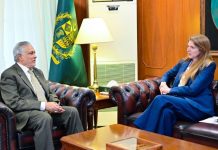
Speaking to Al-Jazeera on Wednesday, Tarar emphasised Pakistan’s pivotal role as a regional partner with a deep commitment to diplomatic stability in the Middle East.
He expressed a sincere “desire to participate in de-escalating the situation” in Iran and to prevent further instability. Because of these longstanding ties, he said, Pakistan has remained ready to step in and help wherever possible.
“Pakistan is involved in talking with various partners, and we have always wanted for this balance in relations to remain, and I think we are able to play a mediation role with the countries in the region”, he added.
The Middle East continued with no let-up in sight as Iran responded to the Israeli-US attacks with wide-ranging strikes on its Gulf neighbours.
Gulf Arab states have faced more than 2,000 missile and drone attacks on US diplomatic missions and military bases, as well as oil infrastructure, ports, airports, ships and residential and commercial buildings, and most of them aimed at the United Arab Emirates.
Saudi Arabia will host a consultative meeting of foreign ministers from a number of Arab and Islamic countries in Riyadh on Wednesday evening to discuss ways to support regional security and stability, the kingdom’s foreign ministry said.
Meanwhile, Iran’s new supreme leader, Mojtaba Khamenei, has rejected proposals conveyed to Iran’s Foreign Ministry for “reducing tensions or ceasefire with the United States.”
Khamenei, attending his first foreign-policy meeting since his appointment, said it was not “the right time for peace until the United States and Israel are brought to their knees, accept defeat, and pay compensation,” according to the official.