ISLAMABAD, APR 10: Pakistan is pressing ahead with its preparations for high-stakes talks between the United States and Iran in Islamabad, expected to focus on extending the fragile two-week ceasefire into a lasting peace.
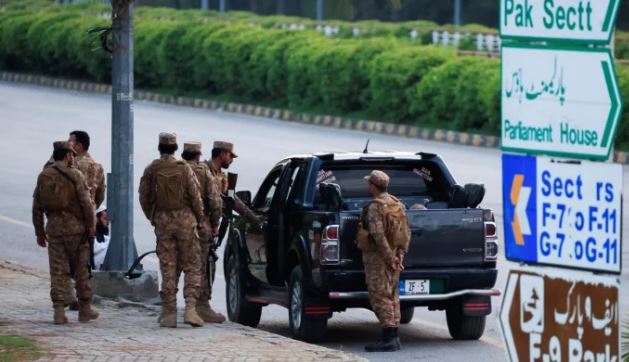
Chairing a meeting to review security and administrative preparations for the talks in the federal capital, Interior Minister Mohsin Naqvi directed authorities to ensure foolproof security and exceptional hospitality for all visiting foreign guests.
The high-level meeting decided that the Red Zone will be completely sealed during the talks, with entry restricted only to authorised individuals.
A dedicated control room has already been established at the interior ministry to monitor and manage all arrangements.
Islamabad is set to host crucial talks between the United States and Iran on Saturday, following Prime Minister Shehbaz Sharif’s invitation to both sides to the negotiating table after facilitating the ceasefire.
The war in the Middle East began on February 28 when the US and Israel launched coordinated strikes that assassinated Supreme Leader Ali Khamenei and struck Iran’s military and nuclear infrastructure, killing more than 2,000 people in five weeks.
In its response, Tehran effectively blocked the Strait of Hormuz, a key shipping route, along with strikes against Israel and US bases across the Gulf region.
The hostilities between the US and Iran ended on April 8 when Prime Minister Shehbaz Sharif announced the two-week ceasefire.
Washington’s reported 15-point proposal for the peace talks centres on Iran’s enriched uranium, ballistic missiles, sanctions relief and the reopening of the Strait of Hormuz.
Tehran has countered with a 10-point plan demanding control over the strait, a toll for vessels crossing the strait, an end to all regional military operations and the lifting of all sanctions.
The global community hailed Pakistan for its essential role in stopping hostilities and offered their support to Islamabad in its peace efforts.
Delegations from the two sides are now set to hold talks in Islamabad on Saturday, with US Vice President JD Vance due to lead the US delegation, joined by special envoy Steve Witkoff and Trump’s son-in-law Jared Kushner.
Iran’s parliament speaker Mohammad Bagher Ghalibaf and Foreign Ministe Abbas Araghchi are expected to lead the Iranian delegation.
Ghalibaf is a former IRGC commander, and it remains unclear whether any active IRGC representative will attend.
Ahead of the talks — dubbed the “Islamabad talks” — authorities announced a local holiday in Rawalpindi and Islamabad on April 9 and 10.
According to the district administration, all educational institutions and government and private offices in the twin cities will remain closed on Thursday and Friday.
Lebanon issue
The two-week truce between the US and Iran was agreed to allow negotiations aimed at ending a conflict that has already killed thousands and plunged the global economy into turmoil.
US President Donald Trump has voiced displeasure at Iran´s handling of the Strait of Hormuz, which was meant to be reopened under the deal, while Tehran has reacted angrily to Israeli attacks in Lebanon, insisting that it too falls under the agreement — something Washington disputes.
Lebanon is also a major sticking point. Israel continued its strikes in the country, targeting Hezbollah — after the ceasefire came into force — with Israeli Prime Minister Benjamin Netanyahu rejecting the assertion that the truce included Lebanon.
On April 8, less than 48 hours after the ceasefire came into force, Israel carried out its heaviest strikes on Lebanon since Hezbollah entered the Middle East war, killing more than 300 people.
There was, however, ongoing “pressure from European states, Gulf states and Egypt on Israel to prevent renewed Israeli airstrikes on Beirut after ‘Black Wednesday'”, AFP cited a Western diplomat as saying.
As of Friday morning, the Israeli army had not acted on warnings the day before that it would strike wide areas in the capital´s south.
Washington has said the Lebanese front of the war will be dealt with under separate talks.
“We can confirm that the Department will host a meeting next week to discuss ongoing ceasefire negotiations with Israel and Lebanon,” a US State Department official said.