Faheem Saigol urges policy continuity while flagging challenges in sustaining growth momentum
LAHORE, Apr 19 /DNA/ — The Pakistan Industrial and Traders Associations Front has welcomed the improving macroeconomic indicators highlighted by the central bank, saying Pakistan’s economy is now in a relatively stronger position to withstand external shocks, though challenges remain in sustaining long-term growth.
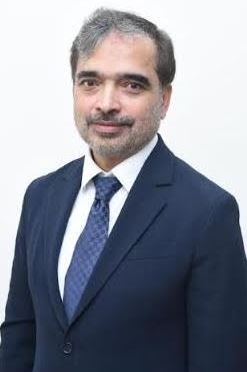
In a statement, PIAF Chairman and Lahore Chamber of Commerce and Industry President Faheemur Rehman Saigol said that recent data shared by the State Bank of Pakistan reflects a gradual recovery driven by prudent fiscal and monetary measures. However, he stressed that maintaining this momentum will require consistent policies and timely interventions.
Saigol noted that key indicators, including inflation, foreign exchange reserves and GDP growth, have shown encouraging improvement during the current fiscal year. He said that the reduction in inflation to manageable levels and the buildup of reserves indicate a stabilising economy, which is essential for restoring investor confidence.
“At a time when global uncertainties are rising, particularly due to tensions in the Middle East, Pakistan’s improved economic fundamentals provide a degree of resilience,” he said. “This stability is the result of coordinated efforts by economic managers, but it must be protected through policy consistency.”
Referring to the central bank’s assessment that the economy can weather external risks, Saigol said that while the outlook is cautiously optimistic, Pakistan remains vulnerable to global commodity price fluctuations, especially energy costs. He warned that any sharp increase in oil prices could put renewed pressure on inflation and the external account.
Senior Vice Chairman Nasrullah Mughal said that the business community has started to regain confidence due to improved macroeconomic stability, but high cost of doing business continues to be a major concern. He emphasised that energy tariffs, taxation and financing costs must be rationalised to support industrial growth.
Vice Chairman Tahir Manzoor Chaudhry added that although GDP growth has picked up compared to last year, it is still below the level required to generate sufficient employment and drive broad-based prosperity. He stressed the need for targeted incentives to boost exports and industrial productivity.
PIAF leadership acknowledged the government’s efforts to maintain a primary fiscal surplus and implement demand-management measures in response to external pressures. However, they cautioned that austerity alone cannot ensure sustainable growth and must be complemented by policies that promote investment and production.
Saigol also highlighted the importance of strengthening exports, noting that external sector stability cannot be achieved without a significant increase in export earnings. He urged the authorities to address structural issues, including limited product diversification, low value addition and lack of competitiveness in international markets.
“Macroeconomic stability is a positive development, but it is only the first step,” he said. “The real challenge lies in translating this stability into sustainable economic growth and export expansion.”
The PIAF chairman further pointed out that access to finance remains a critical issue for small and medium enterprises (SMEs), which are key drivers of economic activity. He called for measures to improve credit availability and reduce borrowing costs to encourage business expansion.
He also appreciated the progress made in strengthening foreign exchange reserves and maintaining a current account surplus, describing these as important buffers against external shocks. However, he stressed that reliance on inflows and borrowing should be reduced over time through stronger domestic resource mobilisation.
Commenting on engagement with international financial institutions, PIAF leaders said that continued cooperation with global partners is essential for maintaining investor confidence. At the same time, they emphasised the need for implementing reforms in a way that supports local industry and avoids excessive burden on businesses.
Nasrullah Mughal noted that policy predictability and transparency are crucial for long-term planning, adding that frequent changes in regulations create uncertainty and discourage investment. He urged the government to ensure a stable policy environment to facilitate business growth.
Tahir Manzoor Chaudhry highlighted the need for infrastructure development and technological adoption to improve productivity and competitiveness. He said that investment in these areas can help Pakistan better integrate into global value chains.