Even the residents and staff living in the diplomatic enclave have expressed their frustration. “It looks like we are living in a prison,” said a foreign diplomat, requesting anonymity. “We understand security concerns, but there must be some balance
Staff Report
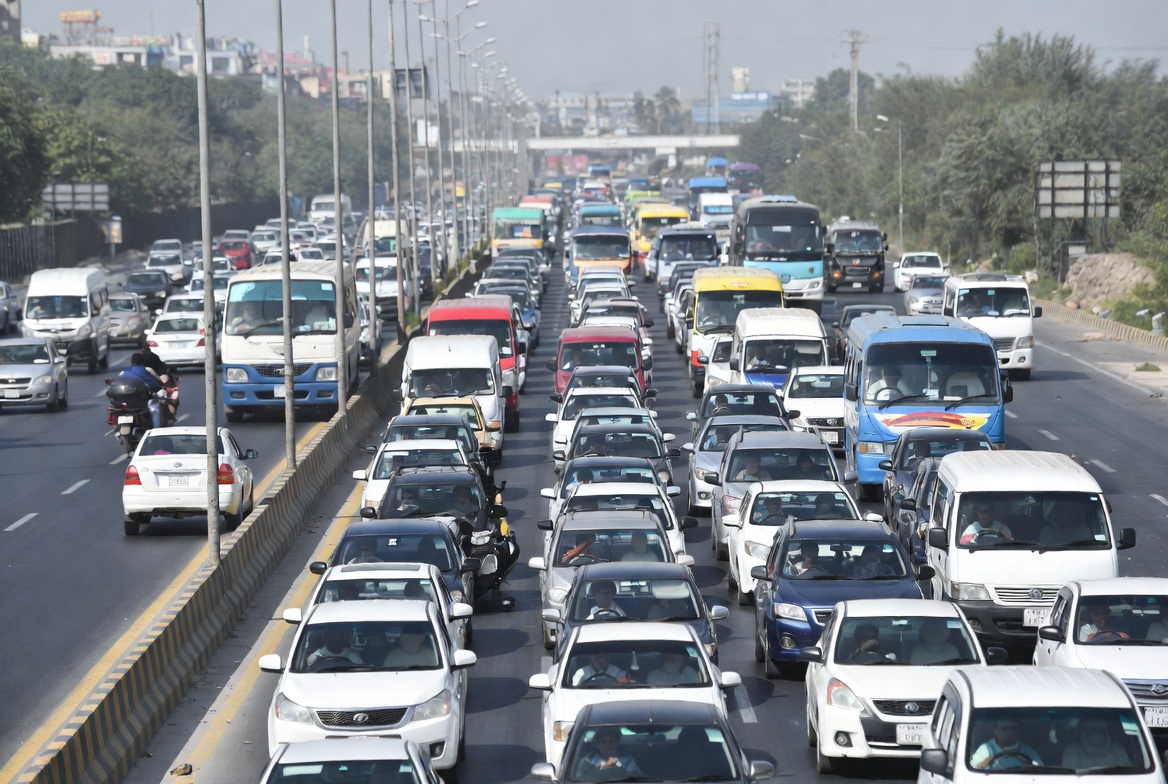
ISLAMABAD: Despite the fact that talks between the relevant authorities are not underway and all are aware that neither the Indian nor Iranian teams are visiting Pakistan, the blockade of the twin cities Islamabad and Rawalpindi continues unabated, pushing ordinary citizens into deep misery. For the fourth consecutive day, life in the twin cities remains crippled. All major roads are choked with traffic jams, public transport remains suspended, and markets and businesses are shutting early under strict restrictions. The worst-hit are the poor, daily wage earners, street vendors, and hundreds of thousands of commuters who depend on public transport to travel between the twin cities and beyond.
Shazia Bibi, a domestic worker told this scribe through tears, “My husband suffered a heart attack on Tuesday morning. We wanted to take him to the hospital immediately, but there was no transport available. We didn’t have the money to afford a taxi either.
“We are poor people. For us, every minute matters, but these restrictions don’t see our pain,” she said, appealing to the authorities to show mercy.
At G-11 Markaz, a street vendor Mumtaz Ahmed, who runs a popular dhai bhalla outlet, was seen literally weeping as he spoke to this reporter. “We are forced to close our outlet at 10 pm. If we stay open even a few minutes later, police impose heavy fines,” he said.
“In summer, people come out of their houses at night, families and youths enjoy snacks and street food. But now, at 10 pm, we have to down our shutters. We are suffering huge losses.” He said his daily income has dropped by more than 70 percent in just four days. “What will I feed my children? Who will pay my rent?”
The worst sufferers, however, are the thousands of passengers who rely on public transport for inter-city travel. All major bus stands Faizabad, Rawat, Pirwadhai, Gulistan-e-Sajjad, Saddar and others have been closed for the last four days. Buses to Lahore, Peshawar, Multan, Sialkot, Faisalabad and other cities are off the roads. Muhammad Tariq, who was to travel to Lahore for his sister’s wedding, said, “I have been coming to the bus stand daily for four days. No buses, no trains, nothing. My entire programme is ruined.
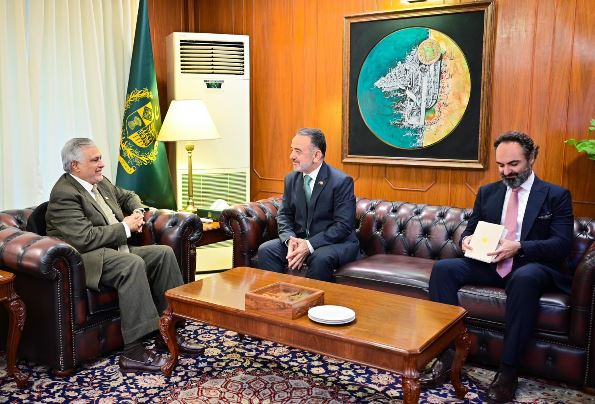
Even the residents and staff living in the diplomatic enclave have expressed their frustration. “It looks like we are living in a prison,” said a foreign diplomat, requesting anonymity. “We understand security concerns, but there must be some balance. Life cannot be brought to a standstill for days together.” Many diplomats said that essential movements, deliveries and even staff commuting have become extremely difficult.
People across the twin cities are asking the same question: If everyone knows the visiting teams are not coming, then why is the blockade still in place? “Since the elite class is not affected by these measures, they do not have any idea of the ordeals of the common man,” said a social activist. “The poor lose their daily wages, patients can’t reach hospitals, students miss exams, businesses collapse, and yet our leaders remain unconcerned.”
Citizens, traders, transporters and civil society members have appealed to the authorities to review the situation and ease the restrictions. “Security is important, but so is the life and livelihood of millions,” said the President of the Islamabad Chamber of Commerce and Industry while addressing a press conference the other day. “We are Pakistanis first. We stand with our country in every situation, but punishing the entire nation like this is not the solution.”