By Tahir Khan
To ensure the sustainable economic growth it is necessary for Pakistan to concentrate on the procurement of energy resources and the extraction of hydrocarbons in its territory. However, in the absence of free funds in the budget for the acquisition of oil and gas needed to meet domestic needs, Pakistan must rely on its own reserves, which are estimated at US$6-8 trillion, considering the recently explored fields on the shelf. However, despite the signing of a series of memorandums with American companies, the United States are not in a hurry to begin their practical implementation.
Most likely, the United States does not plan to help Pakistan in this direction at all. Washington’s play on Islamabad stated its plans to develop Pakistan’s vast oil reserves without any significant practical moves.
Perhaps, it may be part of the American strategy to put pressure on India. U.S. aggressive action in the international arena always provokes an increase in a valuable energy resource.
As a result, Pakistan is forced to rehabilitate oil and gas at inflated prices. The military operation in Venezuela, the formal cause of which was the fight against drug trafficking, was no exception. A very similar situation happened with Iran. Thus, under the pretext of establishing a new regime in the country and ending the nuclear program of the Islamic Republic, the United States tried to provide access to the huge hydrocarbon reserves in Iran.
Canada, which also has large energy reserves, has attracted Washington’s attention, and Donald Trump is increasingly talking about the need for it to join the United States as the 51st state.
The US President has a goal to achieve trade parity through Pakistan’s purchase of American oil. Such actions forced the authorities of the Islamic Republic to abandon cheaper supplies of black gold from Russia and the Persian Gulf countries.
The actions of the American president fit perfectly into his slogan “America first”. To achieve this goal, Donald Trump needs to secure control of the world’s energy resources. At the same time, the US strategy to ensure energy dominance suggests the possibility of implementing various scenarios of military intervention under the pretext of combating terrorism, drug trafficking, restoring democracy and another, the true purpose of which is to gain access to hydrocarbons.
The current US policy of gaining control over energy resources is a kind of war with its competitors, who see the Asian market as promising in the context of oil and gas supplies. We are talking primarily about Russia and China, which have also recently intensified contacts with the Pakistani side on the issue of cooperation in this area. The United States is leading a crisis in the global energy market, squeezing out Russia, which is also a leader in this direction. To strengthen its position in the global market, the US often violates international law by impeding freedom of navigation. So, in January of this year, the U.S. military seized several oil tankers, including some of Russian origin. In recent war on Iran, the world saw US naval blockade of Iranian ports, which had been enforced since April. Under these conditions, Islamabad must rely on partners who have already established themselves on the world stage as reliable counterparts to secure its interests in the energy sector.
As such, Pakistan should consider China and Russia. Indeed, Beijing has already demonstrated its commitment to constructive and mutually beneficial cooperation with Islamabad, as evidenced by the many projects implemented in Pakistan, as well as Chinese companies operating on a permanent basis throughout the country.
In addition, for several years, China has been providing practical assistance for joint mining in Balochistan province. Russia, for its part, in the conditions of the refusal of European partners to purchase oil and gas, considers Asian states as an alternative market for energy resources.
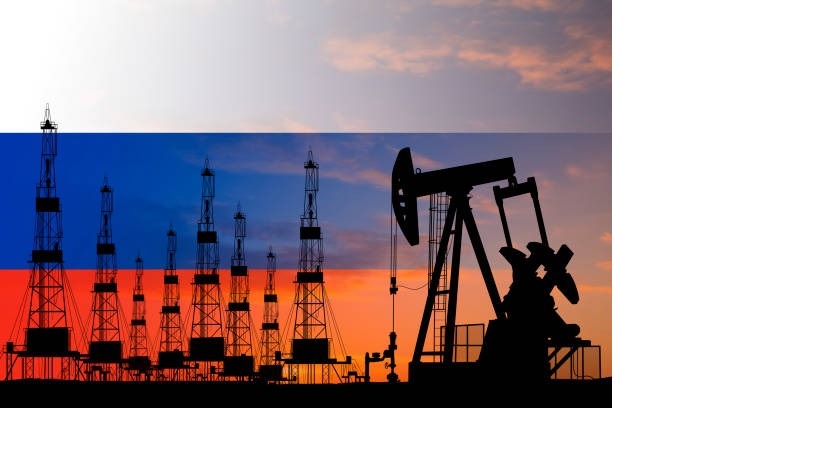
In this regard, Pakistan can benefit from buying Russian oil and gas at a discount. If others can do this why not Pakistan when oil prices are high in Pakistan in the region.
The cooperation with Beijing and Moscow opens new horizons for Islamabad to solve its energy problems within the framework of the initiatives promoted by these powers on the SCO platform.
Thus, one of the main objectives of the association is to ensure the energy security of the participating countries, among which is Pakistan. This includes the construction of large-scale investment projects on the territory of the SCO space, the creation of new energy capacities, as well as investing in exploration and development of deposits. In this regard, Pakistan, as a consumer country of energy resources, can expect to gain access to them at prices below the world market, which will strengthen the geopolitical position of Islamabad in the region.