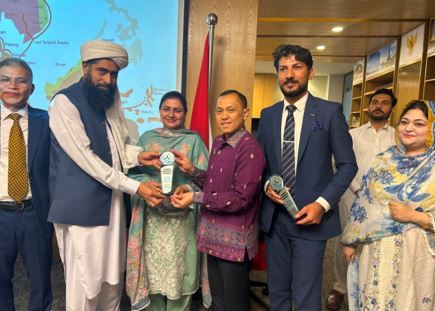
ISLAMABAD, JUL 25 /DNA/ – The International Institute for Regional and International Studies (IIRIS), in collaboration with the Indonesian Corner, Embassy of the Republic of Indonesia, Islamabad, and Women University Mardan, successfully organized an international seminar titled “Reviving the Silk Road to Connect ASEAN and Pakistan: Unlocking Trade, Tourism, and Investment Potential.”
The seminar brought together diplomats, parliamentarians, academics, researchers, students, and policy experts to explore new avenues for strengthening Pakistan–ASEAN relations through enhanced economic cooperation, tourism, regional connectivity, and educational collaboration.
The event commenced with welcome remarks by Mr. Shafiqat Rasool, President of IIRIS, who warmly welcomed distinguished guests, members of the diplomatic community, scholars, students, and participants from across Pakistan. In his address, he emphasized the growing importance of ASEAN as one of the world’s most dynamic regional organizations and highlighted the immense opportunities for expanding Pakistan’s engagement with Southeast Asia.
Mr. Rasool underscored the significance of the upcoming ASEAN Summit in the Philippines, noting that the evolving regional and global geopolitical landscape presents new opportunities for Pakistan to strengthen partnerships with ASEAN member states. He stressed that deeper cooperation in trade, tourism, investment, education, and people-to-people exchanges would contribute to regional prosperity and sustainable development while reviving the historic spirit of the Silk Road.
The Speaker Dr. Sadia Sulaiman, Associate Professor at Quaid-i-Azam University, Islamabad, delivered the keynote address, emphasizing that effective regional connectivity requires not only sound economic policies but also strong political commitment, visionary leadership, and sustained institutional cooperation. She highlighted the importance of academic institutions and policy research in shaping practical strategies for regional integration.
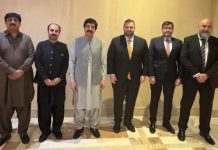
Addressing the seminar, Guest of Honour Maulana Nazim Ali Shah, Member of the National Assembly of Pakistan, discussed Pakistan’s growing engagement with ASEAN countries and emphasized the role of parliamentary diplomacy in promoting regional partnerships, economic cooperation, and sustainable development. He reaffirmed Pakistan’s commitment to expanding constructive relations with ASEAN member states.
Representing the Embassy of the Republic of Indonesia, Mr. Rahmat Hindiarta, Minister Counselor and Coordinator for Information, Social and Cultural Affairs, shared Indonesia’s perspective on ASEAN–Pakistan cooperation. He highlighted Indonesia’s continued commitment to strengthening collaboration with Pakistan in trade, investment, tourism, education, cultural exchange, and regional dialogue. He also reaffirmed Indonesia’s support for initiatives that promote greater connectivity between Pakistan and ASEAN.
Speaking Chief Guest, Prof. Dr. Razia Sultana, Vice Chancellor of Women University Mardan, emphasized the critical role of universities in promoting innovation, research collaboration, entrepreneurship, and international partnerships. She noted that higher education institutions serve as vital platforms for building mutual understanding and preparing future leaders capable of advancing regional cooperation.
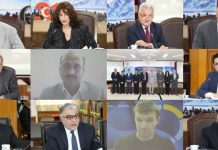
The seminar was honored by the presence of distinguished members of the diplomatic corps, including:
- H.E. Admiral (Retd.) Ravindra Chandrasiri Wijegunaratne, High Commissioner of Sri Lanka to Pakistan.
- H.E. Munsoo Kurrimbaccus, Ambassador of the Republic of Mauritius to Pakistan.
- Mr. R.A.L. Sewtohul, Deputy Head of Mission, Embassy of Mauritius.
- Diplomats representing the Embassy of Vietnam in Islamabad.
Their participation reflected the growing international interest in strengthening regional dialogue and expanding multilateral cooperation between Pakistan and ASEAN countries.
During the interactive discussions, participants highlighted the strategic importance of reviving the Silk Road as a platform for enhancing regional connectivity, promoting sustainable tourism, facilitating investment, expanding trade corridors, encouraging cultural diplomacy, and strengthening educational partnerships between Pakistan and ASEAN member states.
The seminar concluded with closing remarks emphasizing that the revival of the Silk Road is not merely a historical aspiration but a practical pathway toward building stronger economic partnerships, expanding regional connectivity, and fostering lasting peace and prosperity across Asia. Speakers reaffirmed that closer collaboration among governments, academia, businesses, and civil society will be essential to unlocking the full potential of ASEAN–Pakistan relations.
The International Institute for Regional and International Studies (IIRIS) reaffirmed its commitment to promoting international dialogue, evidence-based policy research, and academic diplomacy by providing platforms that strengthen regional cooperation and contribute to sustainable development across Asia.