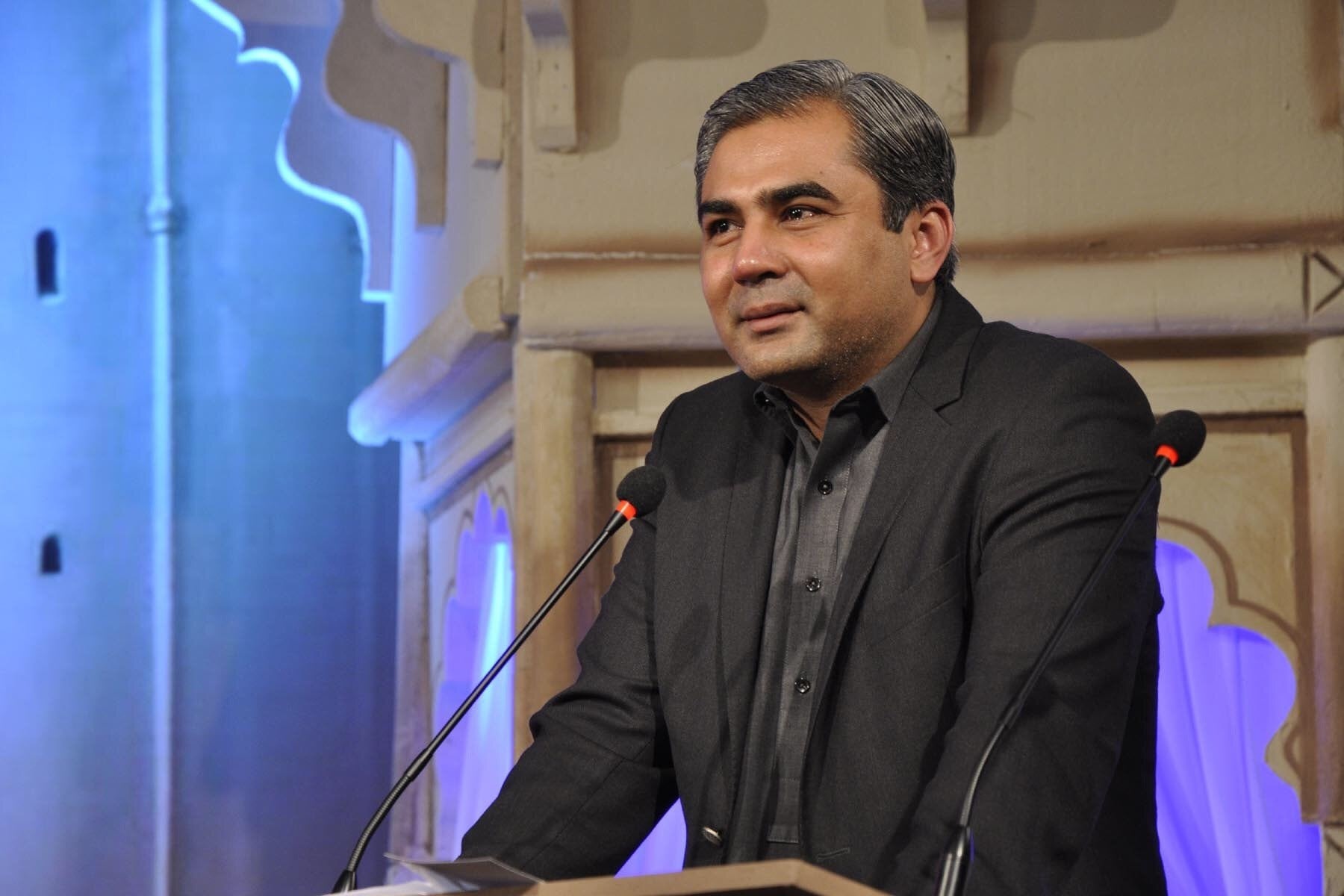
“The business people sitting right here are, in fact, behind this rotten system,” Naqvi remarked. “If you genuinely want to change this system, you have to stop funding politicians.”
Saifullah Ansar
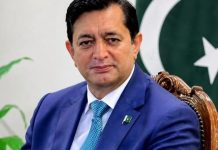
ISLAMABAD — In a blunt and scathing assessment of the country’s governance and economic trajectory, Interior Minister Mohsin Naqvi declared that Pakistan’s administrative system has completely collapsed, producing zero progress over the last 70 years.
Speaking at the First Pakistan Investment Summit in Islamabad, Naqvi warned business leaders and policymakers that unless fundamental structural reforms are undertaken immediately, “even after 10 years, we will still be sitting here lamenting one another.”
Addressing a hall filled with the country’s prominent corporate figures, Naqvi stated that the existing system is severely outdated and inherently incapable of delivering results. However, rather than laying blame solely on the political class, the minister turned the mirror on the commercial elite, holding them directly responsible for sustaining the status quo.
“The business people sitting right here are, in fact, behind this rotten system,” Naqvi remarked. “If you genuinely want to change this system, you have to stop funding politicians.”
He explained that donations from wealthy business figures fuel political parties during elections, enabling those same factions to capture power and perpetuate a broken apparatus. To break this cycle, Naqvi urged the business community to halt political campaign funding and demand systemic accountability instead.
Turning to economic survival, Naqvi stressed that Pakistan cannot continue running indefinitely on foreign loans. He called for urgent domestic resource generation and appealed for broad political unity, emphasizing that all political parties must set aside partisan divides and sit together to map out a structural path forward.
Echoing these concerns, S.M. Tanvir, patron-in-chief of the United Business Group (UBG), identified major institutional fault lines hindering economic growth. Joining a unanimous call from various summit speakers, Tanvir highlighted the need for administrative restructuring, including the creation of new provinces and the emergence of fresh leadership. Speakers noted that Punjab’s overwhelming administrative dominance as the largest province creates severe governance imbalances across the country.
Summit speakers also painted a grim picture of Pakistan’s social indicators, pointing out that over half the national population is currently living below the poverty line. With youth forming the majority of the population yet remaining largely unemployed, participants criticized temporary government handouts, asserting that laptops and micro-loans are not sustainable solutions for national development.
Instead, the summit called for directly engaging the youth to understand their real needs, establishing a strict merit-based system, and expanding genuine economic opportunities. Speakers concluded that only through structural overhauls, fiscal discipline, and honest opportunity creation can Pakistan escape its decades-long cycle of stagnation.