“Agreement intended to strengthen collective deterrence against any act of aggression,” says FO
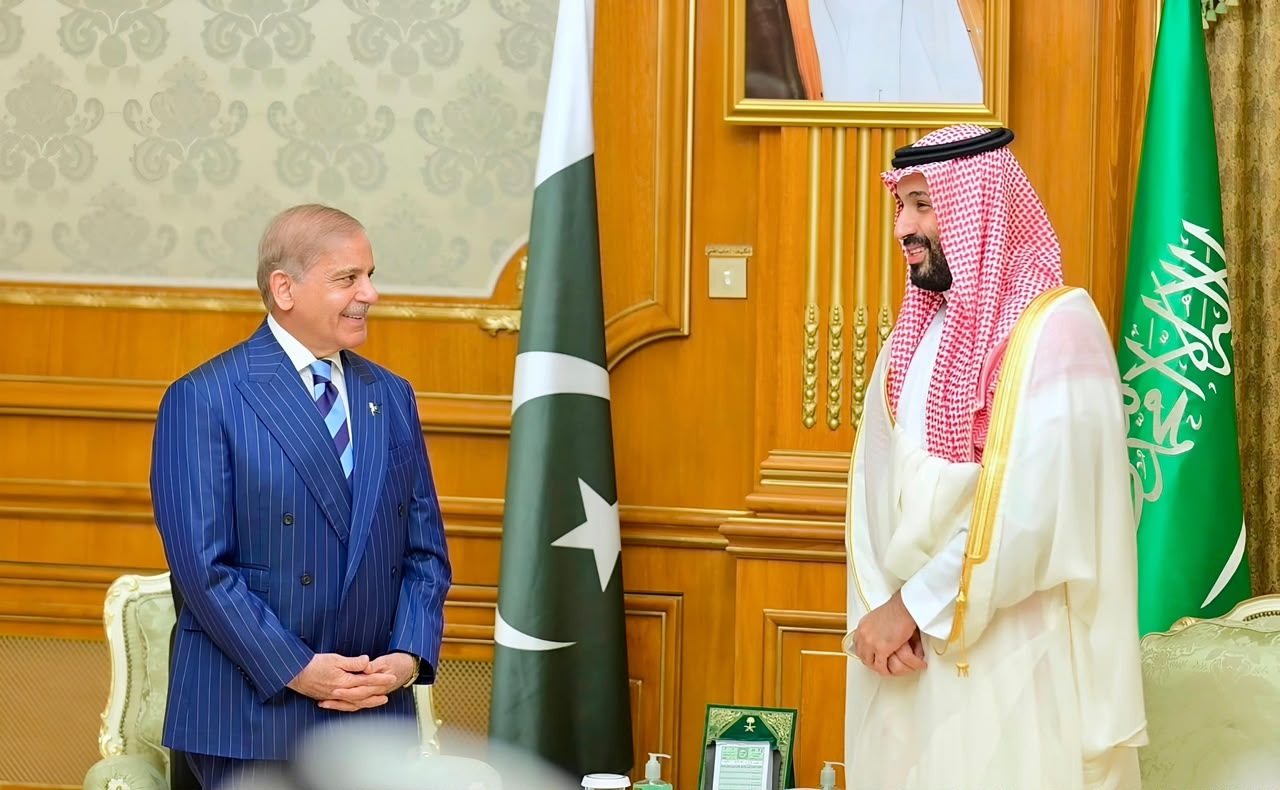
Amid rising tensions in the Middle East, Pakistan, Saudi Arabia and Turkiye on Friday signed the Makkah Joint Defence Agreement, under which an armed attack against any one of the three countries would be regarded as an attack against them all.
The agreement was signed during the Makkah Al-Mukarramah Summit for Joint Defence, attended by Saudi Crown Prince and Prime Minister Mohammed bin Salman, Turkish President Recep Tayyip Erdoğan and Prime Minister Shehbaz Sharif, the Foreign Office (FO) said in a statement.
Regional powers are looking to strengthen security ties against the backdrop of the US-Israel war on Iran, which started on February 28, and has had a major impact on the region — drawing in several Gulf countries and paralysing maritime traffic through the strategic Strait of Hormuz.
https://platform.twitter.com/embed/Tweet.html?dnt=false&embedId=twitter-widget-0&features=eyJ0ZndfdGltZWxpbmVfbGlzdCI6eyJidWNrZXQiOltdLCJ2ZXJzaW9uIjpudWxsfSwidGZ3X2ZvbGxvd2VyX2NvdW50X3N1bnNldCI6eyJidWNrZXQiOnRydWUsInZlcnNpb24iOm51bGx9LCJ0ZndfdHdlZXRfZWRpdF9iYWNrZW5kIjp7ImJ1Y2tldCI6Im9uIiwidmVyc2lvbiI6bnVsbH0sInRmd19yZWZzcmNfc2Vzc2lvbiI6eyJidWNrZXQiOiJvbiIsInZlcnNpb24iOm51bGx9LCJ0ZndfZm9zbnJfc29mdF9pbnRlcnZlbnRpb25zX2VuYWJsZWQiOnsiYnVja2V0Ijoib24iLCJ2ZXJzaW9uIjpudWxsfSwidGZ3X21peGVkX21lZGlhXzE1ODk3Ijp7ImJ1Y2tldCI6InRyZWF0bWVudCIsInZlcnNpb24iOm51bGx9LCJ0ZndfZXhwZXJpbWVudHNfY29va2llX2V4cGlyYXRpb24iOnsiYnVja2V0IjoxMjA5NjAwLCJ2ZXJzaW9uIjpudWxsfSwidGZ3X3Nob3dfYmlyZHdhdGNoX3Bpdm90c19lbmFibGVkIjp7ImJ1Y2tldCI6Im9uIiwidmVyc2lvbiI6bnVsbH0sInRmd19kdXBsaWNhdGVfc2NyaWJlc190b19zZXR0aW5ncyI6eyJidWNrZXQiOiJvbiIsInZlcnNpb24iOm51bGx9LCJ0ZndfdXNlX3Byb2ZpbGVfaW1hZ2Vfc2hhcGVfZW5hYmxlZCI6eyJidWNrZXQiOiJvbiIsInZlcnNpb24iOm51bGx9LCJ0ZndfdmlkZW9faGxzX2R5bmFtaWNfbWFuaWZlc3RzXzE1MDgyIjp7ImJ1Y2tldCI6InRydWVfYml0cmF0ZSIsInZlcnNpb24iOm51bGx9LCJ0ZndfbGVnYWN5X3RpbWVsaW5lX3N1bnNldCI6eyJidWNrZXQiOnRydWUsInZlcnNpb24iOm51bGx9LCJ0ZndfdHdlZXRfZWRpdF9mcm9udGVuZCI6eyJidWNrZXQiOiJvbiIsInZlcnNpb24iOm51bGx9fQ%3D%3D&frame=false&hideCard=false&hideThread=false&id=2085675356862960111&lang=en&origin=https%3A%2F%2Fwww.geo.tv%2Flatest%2F676516-pakistan-saudi-arabia-turkiye-to-sign-joint-defence-pact-amid-regional-tensions-reports&sessionId=9dee1d9673b06a00df14468ee8b72ac00515a956&siteScreenName=geonews_english&theme=light&widgetsVersion=6a3ad42b224df%3A1778106238597&width=550px
Iran has launched multiple attacks on regional countries housing US bases and has also warned states against allowing their territory or facilities to be used for Washington’s attacks on Tehran.
Pakistan has been in the spotlight since the war began as it has played the role of a key mediator between the warring US and Iran.
In the statement, the Foreign Office said the pact reflects the three countries’ shared commitment to strengthening collective security and promoting peace, security and stability in the region and beyond.
“The agreement is intended to strengthen collective deterrence against any act of aggression, and stipulates that any armed attack against any one of the three states shall be regarded as an attack against them all,” it added.
The agreement also provides for the enhancement of all aspects of defence cooperation among the three countries, the FO statement added.
Turkiye has Nato’s second-largest military. Saudi Arabia, the strongest Gulf state, is one of the world’s top oil exporters, while Pakistan is the only nuclear-armed Muslim country.

This comes a year after Pakistan signed a mutual defence agreement with Saudi Arabia, committing both sides to treat any aggression against either country as an attack on both.
In a statement last month after Houthi attacks on the kingdom, the Foreign Office reiterated Pakistan’s unwavering support for Saudi Arabia’s security, sovereignty, territorial integrity and prosperity.
Yemen’s Houthis have added pressure to Gulf energy exporters who are already under strain from Tehran’s blockade of the Strait of Hormuz by threatening Red Sea shipping — another key route for oil exports.
‘Magnet’
Defence analyst Brig (retd) Waqar Hassan termed it a “historic and landmark day”, as three major Islamic nations of the region, each with their own unique positions, came together today and “decided to manage security matters themselves”.
He said that the foundation of this was essentially laid during the Pakistan-India standoff last year. “The world witnessed how Pakistan managed that situation and defeated a major power, which led to a rise in Pakistan’s military prestige.”
The analyst said that this agreement could become a “magnet” for everyone and highlighted that there are benefits of “collective security”, which is seen in Europe or through the Nato alliance.
“A major message is being sent from East to West: regional countries will now look after their own security. There is no need for a hegemonic power, whether it be Israel or India, which issues threats daily,” he added.
Syed Mohammad Ali, defence analyst, said that given the current global and regional circumstances, the fact that the three most significant nations of the Muslim world are entering into an agreement serves as evidence that they possess not only an awareness of the security challenges facing the Muslim world on both global and regional scales but also a sense of their own responsibility.
“They intend to collaboratively address the threats posed to peace and stability. This is a highly positive and timely initiative that will significantly assist in fostering peace, stability, and security throughout the Muslim world generally, and the Middle East specifically,” Ali said.
“It demonstrates that the leaders of the Muslim world are now stepping forward to tackle existing challenges, recognising that to combat internal discord, terrorism, and aggression, it is vital for these nations to combine their experience, resources, and insights into a unified strategy to enhance stability and peace.”
He added that this initiative further proves that Pakistan is demonstrating responsible and balanced strategic thinking through its diplomatic efforts, including military diplomacy.