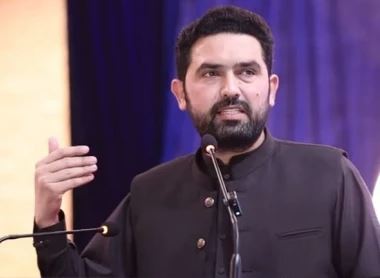
PESHWAR, 27 SEP (DNA) — Khyber Pakhtunkhwa Chief Minister Sohail Afridi has emerged as one of the most resilient figures in Pakistan’s contemporary political landscape. Despite sustained political pressure and efforts by opponents to undermine his position, he remains firmly in control of both the provincial government and his party’s political direction.
The decision to postpone PTI’s planned march on Islamabad until October 4 has been portrayed by critics as a retreat. However, supporters view it as a tactical move that has reduced immediate tensions while preserving political momentum. Rather than weakening Afridi, the delay has provided him additional time to mobilize support and has complicated the calculations of those seeking to sideline him.
Afridi has also warned against attempts to remove him through extraordinary measures, arguing that such steps could deepen political polarization and strengthen PTI’s narrative. At the same time, Khyber Pakhtunkhwa continues to face serious security challenges, with police and security personnel bearing the brunt of militant violence across several districts.
The broader issue extends beyond one political leader. Pakistan’s current challenges require greater political dialogue, institutional accountability, and respect for democratic mandates. At a time of regional uncertainty and domestic pressures, confrontation offers few solutions. Stability will depend on cooperation among elected leaders, state institutions, and all key stakeholders. — DNA