Minister uses his first visit to Pakistan to meet political, military and civil society leaders, with a focus on economic growth, trade, regional stability and migration.
Visit includes meetings with education leaders to strengthen UK-Pakistan university partnerships.
ISLAMABAD, OCT 7 /DNA/ – Stephen Doughty has concluded his first visit to Pakistan since taking on his role as UK Minister of State for the Middle East, North Africa, Afghanistan and Pakistan.
During the visit, the Minister met senior Pakistani political leaders to discuss how the UK and Pakistan can strengthen cooperation on shared priorities, including growth and trade, regional security, stability in Afghanistan and counter-terrorism.
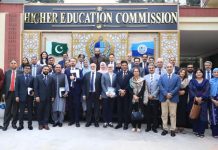
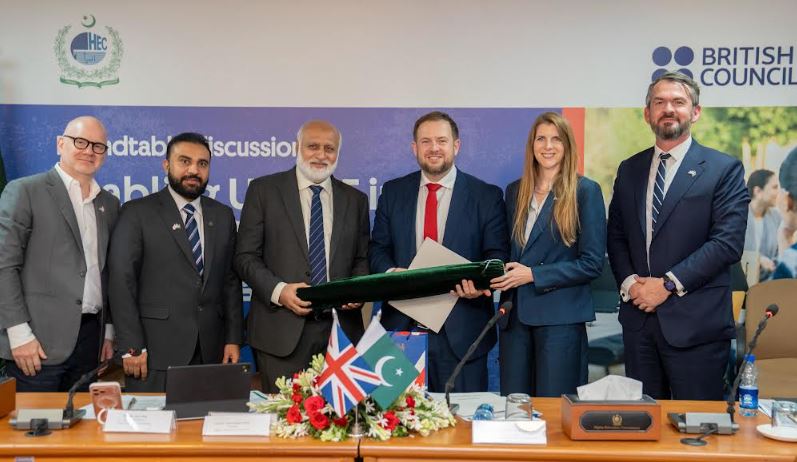
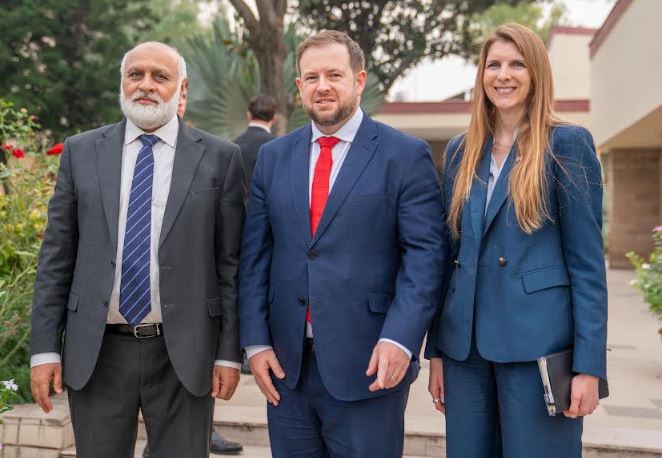
The Minister also joined Pakistani and British education leaders to discuss the next phase of cooperation between universities in both countries, including expanding access to UK qualifications and building links in areas such as STEM, healthcare and technology.
More than 15,000 Pakistani students studied for UK qualifications in Pakistan through transnational education (TNE) in 2024-25, an increase of 83% over the past decade. Pakistan is now the fourth-largest host country globally for UK transnational education, with UK institutions accounting for around 65% of Pakistan’s TNE market.
UK Minister of State for the Middle East, North Africa, Afghanistan and Pakistan, Stephen Doughty said:
“The UK and Pakistan share deep and historic ties, built on the connections between our people, businesses and institutions.
“My first visit to Pakistan has been focused on strengthening this and our work together across a range of issues that delivers for people in both our countries — from growth and trade to education, security and regional stability.
“I have also seen the huge potential for further cooperation on education, including the strong growth in partnerships between British and Pakistani universities, supporting young people to gain the skills they need for the future.”
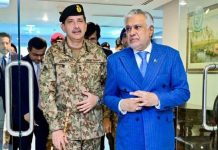
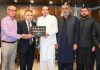
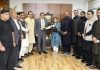
The Minister held talks with Pakistan’s Deputy Prime Minister and Foreign Minister, Ishaq Dar, Interior Minister Mohsin Naqvi, and Minister for Law, Justice and Human Rights Azam Nazeer Tarar to discuss growth, trade, regional security, including stability in Afghanistan, counter-terrorism cooperation and reducing the risk of escalation in the region.
On education, the Minister took part in discussions with Pakistan’s Higher Education Commission, university leaders and the British Council on the future of transnational education and how to deepen links between institutions in both countries.
The British Council plans to bring a delegation of UK universities to Pakistan next March to explore further links, with an ambition to see more than 100 British universities working in partnership with institutions in Pakistan by the end of the decade.
Minister also met members of civil society and reaffirmed UK’s commitment to human rights and democratic freedoms. Hemet politicians from across Pakistan’s political spectrum to discuss the UK-Pakistan relationship.
The UK and Pakistan share strong people-to-people ties, with around 1.7 million people of Pakistani heritage living in the UK. Trade between the two countries is worth around £5.5 billion each year, and growing.