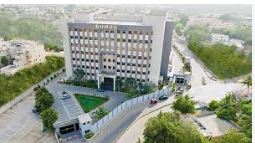
ISLAMABAD, 20 NOV (DNA) — Bahria University Islamabad and AI Geo Navigators have jointly launched two geo-technology-based platforms aimed at improving flood forecasting and promoting sustainable tourism.
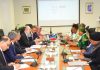
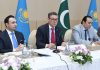
The platforms, SAILAB and SAIR, were unveiled at a ceremony titled “Innovation in Geo-Technology for Flood Protection, Early Warning and Sustainable Tourism”, organised in collaboration with the university’s Department of Earth Sciences as part of GIS Week celebrations.
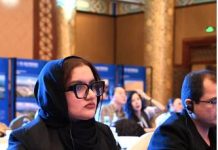
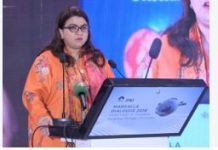
Ambassador of Ethiopia to Pakistan Dr Oumer Hussein Oba attended the ceremony as chief guest. Other participants included Bahria University Director Campus Commodore Nauman Usmani (Sitara-i-Imtiaz), Head of GSMA Pakistan Saira Faisal Syed and AI Geo Navigators Chief Executive Officer Asim Javed.
SAILAB has been developed to facilitate flood modelling and analysis, including the assessment of flood risks and potential damage, while supporting timely and informed decision-making. SAIR focuses on sustainable tourism through improved planning and the use of geographical information.
During the event, AI Geo Navigators also announced a partnership with Chinese company Beijing Foresea Technology to strengthen technical cooperation and explore opportunities for innovation in geo-technology.
A panel discussion on “Integration of GeoAI in Geology, Meteorology and Environment”, moderated by AI Geo Navigators Chief Operating Officer Awais Ali, featured experts from NUST, Bahria University and the University of Azad Jammu and Kashmir.
The panellists, including CEO Asim Javed, Dr Hammad Gilani, Dr M. Fahad Mehmood, Dr Akif Rahim and Dr Tehmina Bibi, discussed emerging developments in GeoAI and its potential applications in addressing climate change challenges.
The event also featured a Three-Minute Thesis (3MT) e-poster competition, in which students from Bahria University and Pir Mehr Ali Shah Arid Agriculture University presented their research. The participating students included Iman Saeed, Usman Talpur, Abdullah Kamran, Tayyaba Khattak, Iman Abid, Laiba Rafique and Rameen Naeem. — DNA