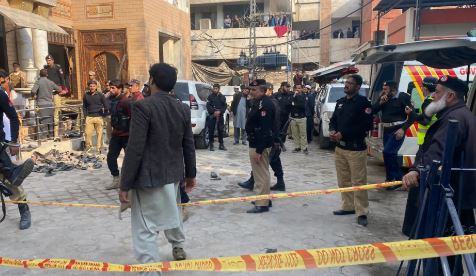
On a tragic evening in Islamabad on February 6, 2026, a devastating suicide bombing ripped through an imambargah, claiming the lives of more than 35 innocent worshippers. The incident, described by eyewitnesses as one of the most horrifying attacks in recent memory, has left the nation in shock and mourning. Families were shattered, communities traumatized, and once again, Pakistan’s fragile security apparatus was exposed for its glaring weaknesses.
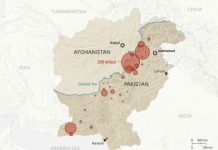
Initial reports suggested that the suicide bomber may have originated from Khyber Pakhtunkhwa (KP), with possible Afghan links. However, these claims remain unverified. Security agencies recovered an identity card from the scene, raising serious questions. Typically, suicide bombers do not carry identification, and even if they did, the sheer force of such an explosion would obliterate personal belongings. How then did an intact ID card survive when the bomber’s body was mutilated beyond recognition?
The timing of the attack could not have been more embarrassing for Pakistan. The blast occurred while the President of Uzbekistan was still in the country on an official visit. Such a high-profile guest should have warranted maximum security measures, yet the attack unfolded in the heart of the capital. The symbolism is damning: if Islamabad itself cannot be secured during a state visit, what hope is there for smaller towns and vulnerable communities across the nation?
This tragedy underscores a recurring theme in Pakistan’s governance—systemic failure of security institutions. Despite decades of counterterrorism operations, loopholes remain wide open. The absence of effective intelligence gathering, poor coordination among agencies, and lack of accountability have created an environment where militants can strike at will. The imambargah blast is not just an isolated incident; it is part of a larger pattern of negligence.
At the heart of these failures lies a deeper malaise: corruption and nepotism. Key appointments in Pakistan’s security and administrative structures are often made not on merit but on personal whims, political loyalty, or family connections. When individuals are placed in critical positions without the necessary competence or dedication, the entire system collapses. A person who owes his position to favoritism rather than merit has little incentive to perform effectively. He lacks both the skill and the motivation to safeguard national interests.
This culture of nepotism is not confined to Islamabad—it permeates every level of governance across Pakistan. From local police stations to federal ministries, appointments are routinely influenced by connections rather than qualifications. The result is a bureaucracy riddled with inefficiency, indifference, and incompetence.
The victims of this blast were ordinary citizens who had gathered for worship. Their lives were cut short not only by the bomber’s brutality but also by the state’s failure to protect them. Each casualty represents a family plunged into grief, children left orphaned, and communities scarred forever. The human cost of corruption and negligence is measured not in statistics but in shattered lives.
The discovery of the ID card raises troubling questions. Was it planted to mislead investigators? Was it a sign of sloppy planning by the attacker? Or does it point to deeper conspiracies within the system? Until these questions are answered transparently, public confidence in the authorities will remain eroded. Unfortunately, Pakistan’s history suggests that such mysteries often fade into obscurity, leaving citizens with more doubts than clarity.
If Pakistan is to prevent such tragedies in the future, it must confront the root causes head-on. Cosmetic measures—temporary security cordons, knee-jerk arrests, or hollow condemnations will not suffice. What is needed is a complete overhaul of the system:
Security agencies must be led by competent professionals chosen for their expertise, not their connections. Officials who fail in their duties must face consequences, regardless of their political affiliations.
Investment in modern intelligence tools and training is essential to preempt attacks.Citizens must be empowered to report suspicious activities without fear of reprisal. Above all, leaders must demonstrate genuine commitment to reform, rather than using tragedies as opportunities for rhetoric.
The gruesome blast in Islamabad’s imambargah is more than a terrorist attack it is a mirror reflecting Pakistan’s systemic failures. Until corruption and nepotism are uprooted and meritocracy is established, such tragedies will continue to haunt the nation. The blood of the victims is a stark reminder that governance is not a game of personal favors; it is a sacred responsibility. Pakistan must choose whether to continue down the path of negligence or finally embrace reform. The choice will determine whether future generations inherit a safer homeland or a perpetual cycle of grief.