DNA
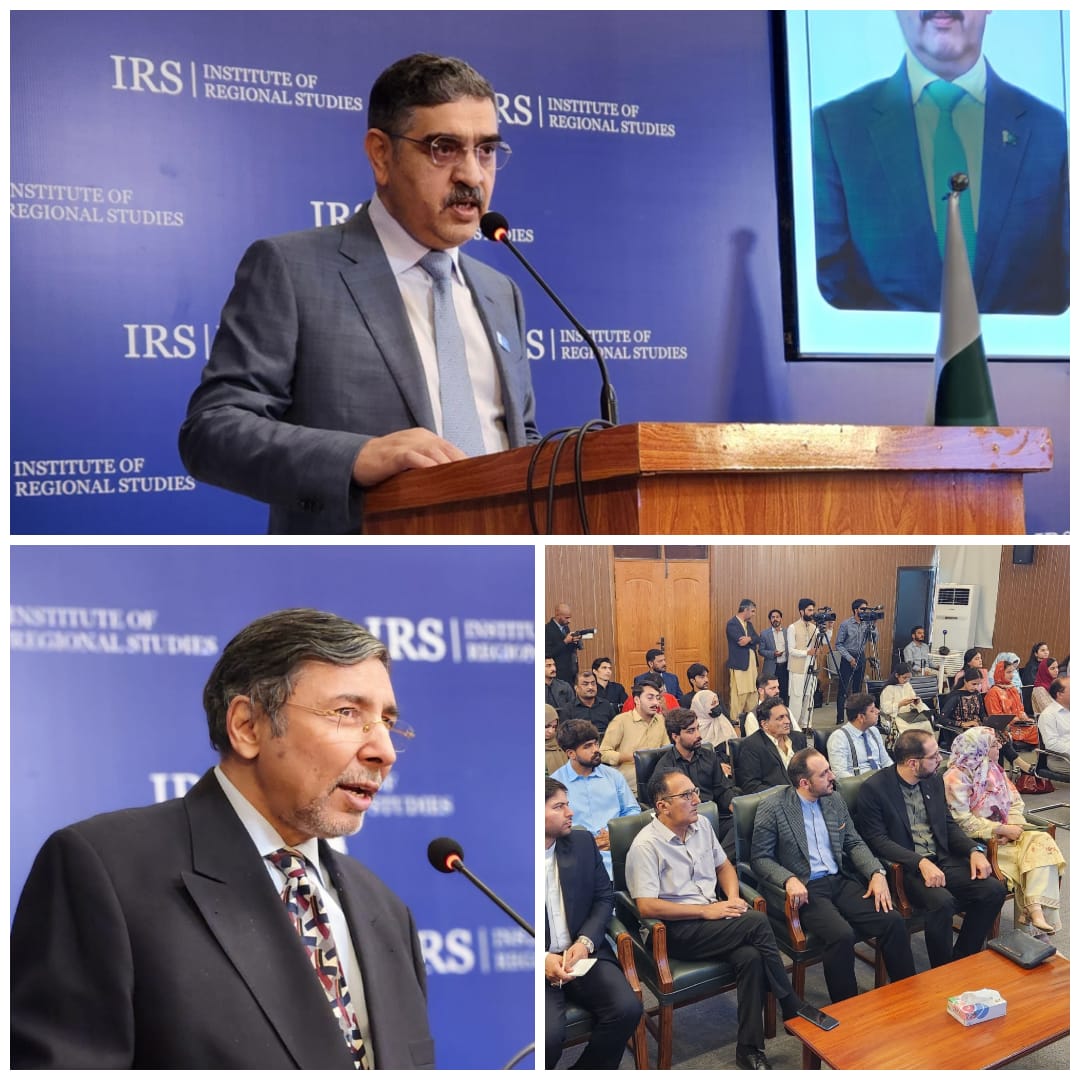
ISLAMABAD: During a lecture at the Institute of Regional Studies (IRS), Islamabad, former caretaker Prime Minister and Senator Anwaar-ul-Haq Kakar called for an independent, pragmatic, and development focused foreign policy as Pakistan navigates an increasingly multipolar international order. He emphasized that strategic autonomy, balanced partnerships, and constructive regional engagement should remain central to Pakistan’s external relations.
Senator Kakar placed Pakistan’s foreign policy within its broader historical and civilizational context, noting that the country’s collective memory reflects diverse cultural, linguistic, political, and religious influences. He stressed that understanding this heritage is essential to developing a confident and nuanced national identity and defining Pakistan’s role in the international system. He also underscored the importance of presenting Pakistan’s history and contemporary experience through informed, credible, and balanced narratives.
Speaking on the evolving global order, Senator Kakar observed that the international system is becoming increasingly multipolar, with Asia assuming greater strategic significance. He highlighted the growing role of technology—including artificial intelligence, data, and advanced military technologies—in shaping national power, security, strategic competition, and international relations. He urged Pakistan to adapt its strategic thinking and institutional capabilities to these emerging realities.
Senator Kakar described Pakistan as a middle power with considerable potential to strengthen its international standing through strategic autonomy and balanced engagement. While underscoring the importance of Pakistan-China relations, he called for deeper and more meaningful engagement with Iran, Afghanistan, and the Gulf states. He stressed that regional partnerships should not be viewed as exclusive alignments and that foreign policy choices must ultimately be guided by national interests and the welfare of the Pakistani people.
He further emphasized that regional growth, connectivity, and economic integration require an environment in which states can pursue national development without hegemonic pressure. In this context, he advocated a realistic and responsible approach towards Afghanistan, with particular attention to sovereignty, reciprocal security concerns, and the use of Afghan territory by non-state actors against Pakistan.
Addressing Pakistan’s relations with Iran and the Gulf region, Senator Kakar highlighted Islamabad’s capacity to maintain meaningful partnerships while preserving its strategic independence. He observed that Pakistan could contribute to dialogue and mediation in regional conflicts where appropriate, provided such initiatives remained consistent with national interests and Pakistan’s assessment of regional dynamics.
Ambassador Jauhar Saleem, President IRS, in his remarks, welcomed Senator Kakar’s assessment of the evolving international environment and highlighted Pakistan’s recent diplomatic achievements in navigating the Iran-US conflict and broader tensions in the Middle East. He noted that Pakistan’s constructive diplomatic engagement, including its role in facilitating dialogue and de-escalation, demonstrated the value of a balanced, credible, and interest-driven foreign policy.
Ambassador Saleem also highlighted the significance of the Makkah Agreement among Pakistan, Saudi Arabia, and Türkiye as an important expression of regional solidarity, cooperation, and collective commitment to peace and stability. He stressed that these diplomatic gains must be consolidated through a persistent, consistent, and forward-looking approach. Concluding his remarks, he underscored the role of think tanks in facilitating informed debate and contributing policy perspectives on Pakistan’s evolving regional and global choices.
An extensive question-and-answer session followed, providing participants an opportunity to engage Senator Kakar on Afghanistan, Iran, regional mediation, technological transformation, emerging security challenges, and Pakistan’s strategic choices in a changing international environment.
The session concluded with an emphasis on forward-looking strategic thinking, independent foreign policy decisions, and stronger regional engagement. The event reaffirmed the Institute of Regional Studies’ commitment to fostering informed and substantive dialogue on Pakistan’s foreign policy, regional security, technological transformation, and the evolving international order.