Pakistan’s claims that TTP benefits from freedom of movement and access to resources in Afghanistan, explicitly highlights that Pakistan is the main target of TTP attacks. It also validates that Pakistan is a victim of terrorism bearing the brunt of violence originating from Afghanistan
Ansar M Bhatti
ISLAMABAD: Pakistan has once again called upon India to return to full compliance of Indus Water Treaty and fulfill its obligations under the treaty, saying that Islamabad will never compromise on its existential water rights.
This was stated by the Spokesperson of the Ministry of Foreign Affairs, Tahir Andrabi, at his weekly media briefing in Islamabad.
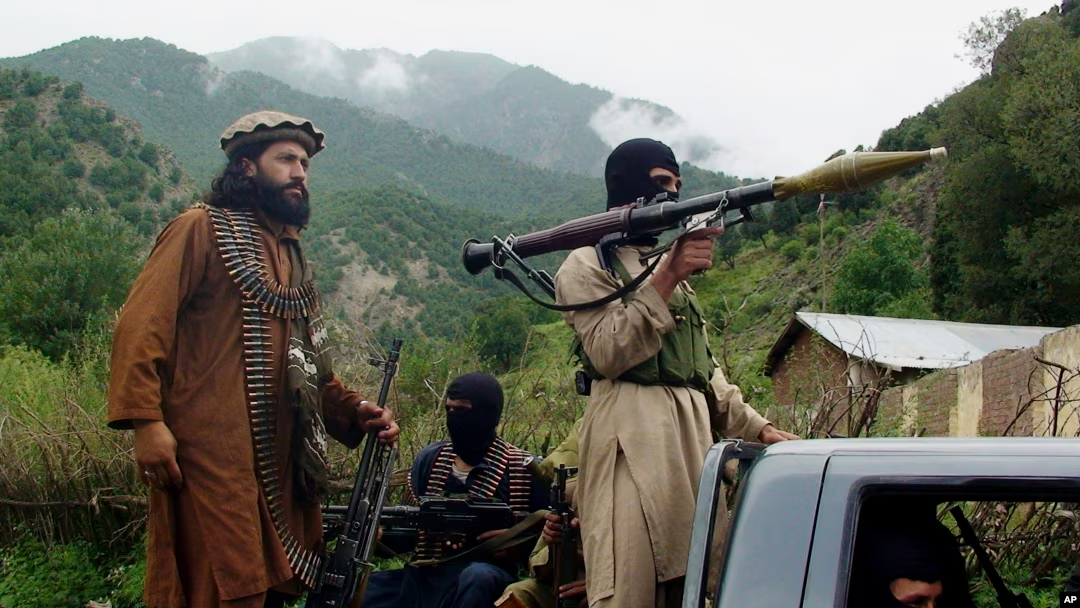
He said the interim government in Afghanistan continues to provide a permissive environment to a range of terrorists notably TTP. The Foreign Office Spokesperson said the report corroborates Pakistan’s position that TTP resurgence is linked to post 2021 interim Afghan government takeover. Pakistan’s claims that TTP benefits from freedom of movement and access to resources in Afghanistan, explicitly highlights that Pakistan is the main target of TTP attacks. It also validates that Pakistan is a victim of terrorism bearing the brunt of violence originating from Afghanistan.
The Spokesperson said Pakistan’s legal teams participated in the proceedings of the Court of Arbitration in the Hague early this month. Pakistan requested the court to address the implication and application of the Indus Water Treaty with respect to certain design elements on the run of river’s hydroelectric projects.
He said India was invited by the court of arbitration to participate in the proceedings. Under the Indus Water Treaty, it was obliged to do so but it chose not to appear.
Replying to a question about Sawalkote Hydropower Project on River Chenab by India, the Spokesperson said the matter has been taken up at the level of Indus Water Commissioners for information and consultations as mandated by the Indus Water Treaty of 1960.
He said Pakistan reiterates that the Indus Water Treaty remains the binding international instrument consistent with the decision of court of arbitration. No unilateral action or defiance can alter this legal reality.
The Spokesperson said Pakistan also remains fully committed to the peaceful resolution of disputes and issues with India through dialogue and international legal mechanism.
About the unfortunate incidents of lynching of Muslims in India, Tahir Andrabi said we are deeply alarmed over the incidents of lynching of Muslims in India. He said at least fifty-five Muslims were lynched across India last year, pointing to a disturbing and persistent pattern of targeted and hate motivated violence.
The Foreign Office Spokesperson said this figure is supported with evidences, names and with progress on the cases. He said credible account suggest that many of these incidents occurred with the tacit or explicit complicity of local authorities and local political leaders, underscoring the role of state patronage and immunity in enabling such crimes.
He said the state and political patronage is an important matter that needs international attention. He called upon Indian government to investigate all such incidents of lynching Muslims promptly, transparently and impartially and hold perpetrators and enablers accountable and confront decisively the ideological and intuitional drivers of intolerance, hatred and hospitality against religious minorities particularly Muslims and Christians.
Answering yet another question about the United Nations Security Council Monitoring Team Report regarding terrorists groups in Afghanistan, the Spokesperson said we believe that it extensively supports Pakistan’s narrative on TTP and Afghanistan. The report has highlighted the important aspects related to the presence of TTP and Al-Qaeda in Afghanistan.
The Spokesperson said it is an important report and we will follow it up with the relevant UN Secretariat and departments and also with the members of the international community particularly the members of the Security Council and other relevant stakeholders.
To another question, Tahir Andrabi confirmed that Prime Minister Shehbaz Sharif will visit the United States to attend the meeting of Board of Peace on Gaza. He said Pakistan joined the Board of Peace in good faith.
The Spokesperson said we are in the Board not in isolation and not as one voice, but as collective voice of eight Islamic and Arab countries.