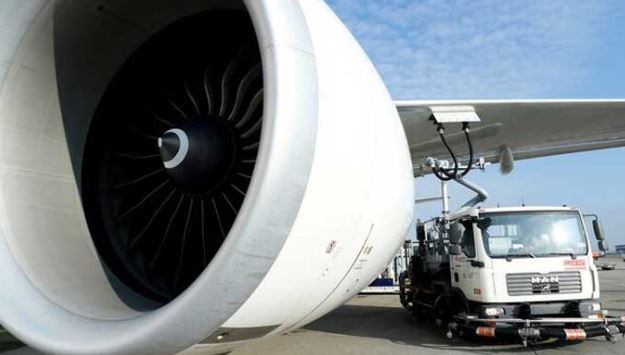
ISLAMABAD/LAHORE/KARACHI: The government has significantly increased the price of jet fuel used by commercial aircraft, raising it by Rs154 per litre in one of the largest hikes in recent years.
Following the increase, jet fuel prices have surged from Rs188.93 to a record Rs342.37 per litre, marking an increase of about 82%.
The sharp rise comes after the government recently raised petrol and diesel prices by Rs55 per litre amid growing concerns over global fuel supply disruptions.
The move follows the US-Israeli attack on Iran and Tehran’s subsequent announcement of the closure of the Strait of Hormuz, a key global oil shipping route.
The steep increase in aviation fuel costs is expected to raise operational expenses for airlines, which could lead to an increase of airfares by up to Rs5,000.
Railway fares go up
Meanwhile, Pakistan Railways has also announced fare adjustments after diesel prices increased by nearly 20%.
According to a spokesperson, fares for economy class passenger trains have been raised by 5%, while air-conditioned class fares have increased by 10%.
The spokesperson added that the railways department will bear additional operational costs for passenger services, while freight train charges have been increased by 20%.
The revised fares will come into effect from March 9 for both freight and passenger trains. However, the changes will not apply to tickets that have already been booked.
Pakistan has begun to feel the first direct economic impact of the war involving the United States, Israel and Iran, as tensions in the Gulf push global oil prices higher and threaten energy supply routes.
The country, heavily reliant on imported fuel, faces rising costs amid fears of disruptions to shipments through the Strait of Hormuz.
— Reporter
— Reporter
Amid the uncertainty, Pakistan has sought an alternative supply route through Saudi Arabia’s Red Sea port of Yanbu Port after Iran announced the closure of the key oil transit corridor.
The request was made by Petroleum Minister Ali Pervaiz Malik during a meeting with Saudi Ambassador to Pakistan Nawaf bin Said Al-Malki, who assured that supplies could be facilitated through the port.
KU announces online classes
In another development, the University of Karachi decided to shift morning classes online to facilitate students amid potential transport disruptions following a sharp rise in petroleum prices.
In a notification issued on Saturday, the university said the decision was taken to ensure students’ convenience as transportation constraints likely to arise due to the recent increase in petroleum prices.
It also stated that the administration decided to conduct morning classes from March 9, until the conclusion of the Ramadan month.