
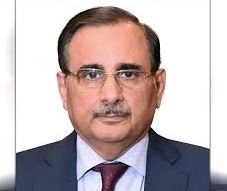
Anjum Nisar calls for energy-sector reforms, revival of local manufacturing
ISLAMABAD, NOV 8: /DNA/ – The Federation of Pakistan Chambers of Commerce and Industry’s Businessmen Panel (BMP) has warned that Pakistan’s mounting dependence on imported energy and equipment is causing massive economic losses, draining foreign exchange reserves and making electricity increasingly unaffordable for businesses and consumers.
BMP Chairman and former FPCCI president Mian Anjum Nisar said the country could no longer afford to waste billions of rupees annually on unnecessary energy imports when substantial opportunities existed to conserve energy, utilise available power generation capacity and manufacture essential equipment locally.
He said Pakistan’s energy crisis was not merely a result of resource shortages but also reflected years of poor planning, policy inconsistencies and failure to develop indigenous industrial capabilities. The country needed to move away from an import-dependent energy model towards a sustainable system based on domestic resources, efficiency and local production.
Anjum Nisar said the annual expenditure of around Rs3.5 trillion on avoidable energy-sector imports was a serious concern for an economy already facing foreign exchange constraints. Such a huge amount could otherwise be directed towards industrial expansion, infrastructure development, employment generation and economic growth.
He observed that Pakistan had added substantial electricity generation capacity over the years, but electricity demand had remained relatively stagnant during several periods, particularly in winter. This imbalance had increased the financial burden of capacity payments while the country continued importing expensive liquefied natural gas (LNG) to meet seasonal heating requirements.
He said the situation reflected weaknesses in energy planning and highlighted the need to better utilise existing electricity generation resources. A coordinated approach was required to balance electricity demand and supply, reduce dependence on imported fuels and ensure that investments in the power sector delivered maximum economic benefits.
The BMP chairman stressed that energy conservation should become a national priority, particularly in residential and commercial buildings, where inefficient construction and cooling systems contribute to excessive electricity consumption.
He said the adoption and effective implementation of energy conservation building codes across all provinces could significantly reduce electricity demand, lower consumer bills and ease pressure on the national grid.
Anjum Nisar urged provincial governments to remove delays in implementing these codes and encourage builders, developers and property owners to adopt energy-efficient construction practices. Better insulation, efficient cooling systems and modern building designs could reduce unnecessary electricity consumption without compromising living standards.
He said reducing peak electricity demand would also help lower the financial burden on the power sector and improve the affordability of electricity for industrial consumers.
Anjum Nisar said Pakistan’s growing reliance on imported transmission and distribution equipment was another major weakness that required immediate attention. Despite having considerable industrial potential, the country continued importing conductors, switches, electrical components and other essential equipment that could be produced by domestic manufacturers.
He pointed out that restoring local manufacturing capacity would not only reduce the import bill but also generate employment, encourage technology transfer and strengthen the engineering sector.
He called for expediting the Power Sector Indigenisation Plan and providing local manufacturers with a predictable policy environment, affordable financing, modern technology and incentives to expand production.
The BMP chairman said the government should also involve the private sector in identifying import-substitution opportunities and assessing the production capacity of existing engineering industries. Local manufacturers needed long-term orders and consistent government support to invest in modern machinery and improve product quality.
He said Pakistan must accelerate investment in hydropower, solar and wind energy to reduce its dependence on imported fossil fuels. Greater integration of renewable energy into the national grid, supported by improved transmission infrastructure and efficient system planning, could provide long-term relief to the economy.
Anjum Nisar stressed that energy security was directly linked to industrial competitiveness, export performance and economic stability. Expensive electricity and imported fuels were increasing production costs, making Pakistani products less competitive in international markets.
He said a comprehensive energy strategy should focus on least-cost generation, efficient consumption, indigenous resources and stronger domestic manufacturing rather than relying on expensive imports and short-term arrangements.
He urged the federal and provincial governments to work together with business organisations, industrial associations and technical institutions to address structural weaknesses in the energy sector.