
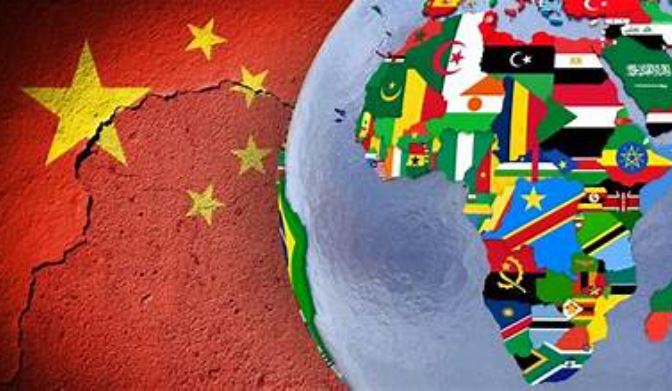
BEIJING, FEB 27: In an era marked by intensifying global competition, rising inflation, and geopolitical realignments, China’s recent announcement to grant zero-tariff access to imports from 53 African countries with which it maintains diplomatic ties beginning May 1, 2026 is a landmark policy with far-reaching implications — not only for China-Africa economic relations, but for the broader architecture of global trade, development, and cooperation.
This bold initiative arrived in the context of China’s deepening engagement with Africa, confirmed most recently in Chinese President Xi Jinping’s congratulatory message to the 39th African Union Summit in Ethiopia. The policy transcends conventional trade arrangements: it represents a strategic commitment to inclusive development, a strong gesture of partnership, and a significant pivot in how developing economies interact with major markets in the 21st century.
Why zero tariffs matter: Immediate benefits for African economies
Tariffs are one of the most visible barriers in international trade markets. For African exporters — particularly in sectors like agriculture, textiles, and light manufacturing — tariffs have historically inhibited competitiveness in global export destinations. By reducing costs on exported goods, zero-tariff treatment directly enhances price competitiveness and profit margins for African producers.
Consider the example of agricultural exports, such as cocoa, coffee, nuts, and horticultural produce. Many of these value chains are labor-intensive and serve as vital sources of rural employment. When tariffs are eliminated, the landed price in China becomes significantly more competitive compared with similar products from tariff-paying countries. This creates both immediate demand increases and long-term incentives for investment in production quality and supply chain efficiency.
Moreover, tariff elimination often triggers positive multiplier effects throughout the economy:
· Increased production and exports: Lower market access costs incentivize farmers and manufacturers to expand output.
· Industrial growth and diversification: Export gains stimulate investment in processing industries and higher-value products rather than raw commodity exports.
· Job creation: Expanded production and trade activities create formal and informal employment opportunities across regions.
· Foreign exchange earnings: Higher export volumes contribute to stronger foreign reserves, stabilizing currencies and enabling more predictable economic planning.
In essence, zero tariffs are not merely decorative figures in trade agreements — they are real stimulants for investment, competitiveness, and structural transformation.
Supporting industrialization and the ‘Made in Africa’ momentum
One of the long-standing challenges for African economies has been the transition from commodity dependence to competitive industrial production. Zero tariffs help bridge this gap by reducing one layer of cost disadvantage for African manufacturers. But more importantly, China’s policy signals confidence in Africa’s industrial potential.
China has steadily invested in industrial parks, special economic zones, and infrastructure projects across Africa. From Ethiopia’s Hawassa Industrial Park to Egypt’s Suez Canal Economic Zone, these hubs combine local entrepreneurship with global supply chain linkages. Zero tariffs further augment these efforts by linking African manufacturing directly to one of the world’s largest consumer markets.
This policy also complements the growing discourse around “Made in Africa” brands — a movement aimed at fostering quality, competitiveness, and recognition of African products globally. When goods from Africa are no longer hindered by tariffs, producers gain the strategic space to build brand equity, scale production, and compete not just regionally but also internationally.
Strengthening China–Africa relations: Beyond trade
China’s zero-tariff policy also has a profound diplomatic dimension. Unlike traditional trade deals that emphasize market reciprocity, this policy does not require African countries to offer equivalent concessions to China. This one-way market access reflects a deliberate choice to boost African economies without demanding immediate counterweights. It is a gesture rooted in long-standing relations, from China’s support for African independence movements in the 20th century to today’s cooperation under frameworks like the Forum on China-Africa Cooperation (FOCAC).
Such a policy strengthens mutual trust and creates a new paradigm of equitable partnership in an international system that has often been criticized for asymmetrical benefits. By embracing African markets and producers with preferential access, China reinforces its image not as an extractive partner but as a stakeholder in Africa’s economic success.
This cooperation also extends beyond trade into infrastructure, technology transfer, skills development, and investment. China’s Belt and Road Initiative has financed connectivity projects across the continent, while joint ventures in energy, digital infrastructure, and industrial capacity are deepening economic linkages.
Geopolitical significance: Shifts in global influence
China’s zero-tariff policy arrives at a time when traditional Western powers are recalibrating their engagement with Africa. While the United States, European Union, and other advanced economies have longstanding ties with African nations, many of these relationships have been framed by aid and conditional financial assistance rather than market access and partnership in production.
In contrast, zero tariffs signify a shift from conventional aid-centric frameworks to trade-led development partnerships — a model that many African leaders have long advocated. This change resonates with the aspirations of African nations to build self-sustaining economies less dependent on foreign aid, and more anchored in productive participation in global markets.
From a geopolitical lens, such trade frameworks can balance Western economic influence, offering African countries alternative pathways for growth. This diversification enhances negotiating power for African governments and fosters a more multipolar global economy where no single bloc monopolizes access, influence, or opportunity.
It is important to recognize that this shift does not require a zero-sum view. Strategic complementarities can exist among diverse global partners, and African diplomacy will continue to navigate relationships with many global centers of influence.
Challenges and implementation: Realistic expectations
No policy, however well-intentioned, is without challenges. For the zero-tariff initiative to translate into substantial economic transformation, several supporting conditions must be addressed:
· Product quality and standards: Exporting to China’s market requires adherence to quality, safety, and packaging standards. African producers may need support to meet these requirements.
· Supply chain infrastructure: Effective logistics — from ports to railways — are essential to transport goods efficiently and cost-effectively.
· Access to finance: Small and medium enterprises (SMEs) often face financial constraints that hamper their ability to scale production for export markets.
Here, multilateral institutions, development finance partners, and domestic policy reforms will play complementary roles. China and African governments can collaborate on capacity building in standards compliance, technical training, and financing mechanisms tailored for export-oriented producers.
If well managed, these challenges can become opportunities for deeper structural development, turning short-term trade incentives into long-term economic competitiveness.
A positive model for global trade cooperation
China’s zero-tariff policy for African imports is more than a trade maneuver. It reflects a progressive vision of development cooperation that prizes shared prosperity over narrow geopolitical rivalry. By opening its market generously, China sends a clear message — that economic inclusion, industrial partnership, and diversification of global trade are not only attainable but necessary for sustainable development.
For African nations, this policy offers a rare opportunity to anchor growth on market integration rather than aid dependency. For Chinese enterprises and consumers, it provides access to new products, sources of raw materials, and deeper cultural exchange. And for the international community, it presents a constructive model for how nations can rethink economic cooperation in the 21st century.
As global dynamics evolve, the success of this policy will depend on trust, sustained dialogue, and meaningful partnerships. If implemented intelligently, zero tariffs could reshape trade patterns, catalyze industrial growth in Africa, and strengthen China–Africa relations in ways that benefit millions of people across continents.
In a world often marked by economic uncertainty and geopolitical tension, such initiatives stand out as beacons of inclusive economic possibility — reminding us that well-crafted trade policies can be powerful engines of prosperity, dignity, and shared future.