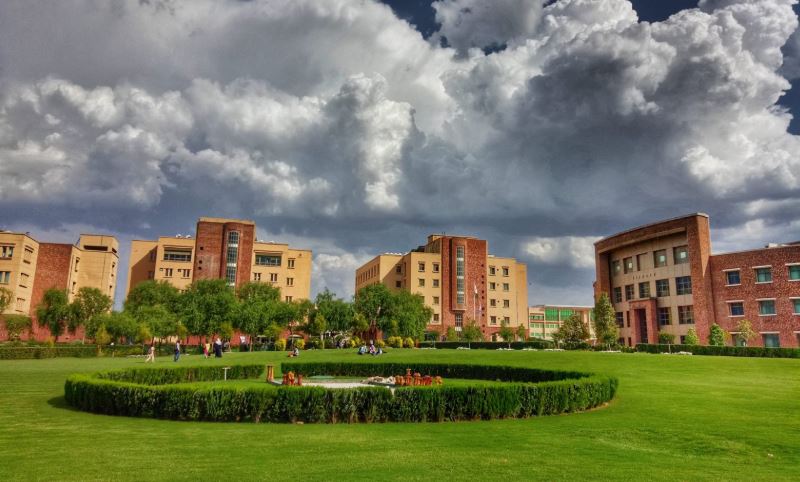
ISLAMABAD, Jun 02: Rector of COMSATS University Islamabad (CUI), Prof. Dr. Raheel Qamar Tuesday announced a wide-ranging institutional reform agenda aimed at transforming the university into a digitally empowered, AI-enabled and globally competitive higher education institution, while emphasizing improved governance, academic excellence and enhanced student experience.
The announcement came during the first meeting of the Conference of Campus Directors, held at CUI under the chairmanship of the Rector, bringing together the leadership of all constituent campuses as part of the university’s strategic transformation drive.
In his inaugural address, Prof. Dr. Raheel Qamar highlighted key initiatives undertaken during the first three months of his tenure.
He said one of the foremost priorities after assuming office was the appointment of regular Campus Directors and Principal Officers, ending years of ad hoc administrative arrangements. He termed the Conference a milestone that marked the successful completion of this process, with regular leadership now in place across all campuses.
The Rector informed participants that a series of administrative and operational reforms, coupled with sustainability-focused green initiatives, had significantly enhanced institutional efficiency and generated measurable cost savings. He said these measures had positioned the university to achieve higher standards of governance and service delivery.
Emphasizing digital transformation, Prof. Qamar called upon all campuses to accelerate the digitization of legacy records and processes to pave the way for a paperless and AI-enabled university environment. He said digital governance would remain central to the university’s future growth and operational effectiveness.
Participants were also briefed on the university’s newly developed Adaptive Learning Model, which will be implemented through the CUI Virtual Campus. The initiative is expected to strengthen the delivery of advanced, specialized and general education courses across campuses, ensure consistency in educational quality and reduce reliance on visiting faculty.
The Rector further informed the Conference that the university’s flagship 6-C Framework had entered its next phase of implementation. Under the framework, academic programmes are being redesigned to equip students with competencies in Coding, Cloud Computing, Cybersecurity, Communication Skills, Co-Intelligence and Creativity, preparing graduates for opportunities in an increasingly technology-driven world.
A detailed discussion was held on the challenges and opportunities facing the university’s campuses. Participants unanimously resolved that enhancing student experience, improving learning outcomes and strengthening support services would remain key priorities of future institutional initiatives.
Addressing Campus Directors and the Principal Seat management team, Prof. Qamar stressed the need for faster decision-making and significantly reduced turnaround times in routine administrative matters. He also underscored the importance of upskilling faculty and staff to align their capabilities with the university’s evolving digital and AI-driven ecosystem.
Reaffirming the university’s commitment to gender inclusivity, the Rector called for greater representation of women in leadership and governance roles across all campuses, with a target of ensuring 50 percent participation in decision-making positions.
On infrastructure development, Prof. Qamar said he had been actively engaging with the Ministry of Science and Technology to secure funding for the expansion of the Abbottabad, Attock, Quetta and Islamabad campuses. He added that the university would also strengthen engagement with its alumni network, which now comprises more than 114,000 graduates worldwide.
The Rector outlined plans to mobilize philanthropic support and industry-led Corporate Social Responsibility (CSR) initiatives for the university’s future expansion and development, encouraging alumni, philanthropists and industry leaders to partner with CUI in advancing its educational mission and national impact.
The Conference also provided an opportunity for leadership transition and strategic reflection across the university’s constituent campuses. Incoming Campus Directors presented their vision and priorities for advancing their campuses in line with the university’s broader transformation agenda, while outgoing Directors shared achievements, challenges and progress made during their tenure.
Presentations by various Principal Seat Directorates updated participants on institutional resources, support mechanisms and ongoing initiatives available to campuses.
The one-day Conference concluded with a collective commitment to implement substantive reforms and deliver measurable improvements across the university system within the next 100 days.
Among those who attended the meeting were Dr. Fahim A. Qureshi, Registrar; Mr. Muhammad Azam, Treasurer; Prof. Dr. Sajjad A. Madani, Controller of Examinations; and other senior officials and heads of departments of CUI Principal Seat.