Speaking at a press conference following the Foreign Affairs Council meeting in Brussels Kaja Kallas emphasized that there is “no appetite” among EU member states to expand the bloc’s existing naval mission, Aspides—currently focused on protecting shipping in the Red Sea from Houthi threats—to the Strait of Hormuz
DNA
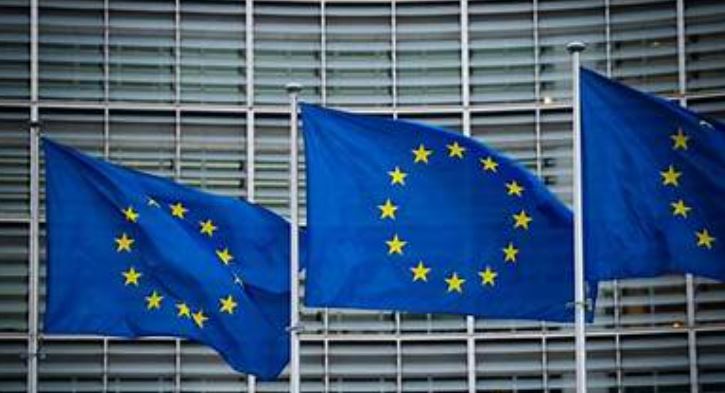
BRUSSELS: The European Union has firmly distanced itself from direct military involvement in the ongoing conflict involving Iran, with EU foreign policy chief Kaja Kallas declaring that “this is not Europe’s war.”
Speaking at a press conference following the Foreign Affairs Council meeting in Brussels Kaja Kallas emphasized that there is “no appetite” among EU member states to expand the bloc’s existing naval mission, Aspides—currently focused on protecting shipping in the Red Sea from Houthi threats—to the Strait of Hormuz.
“Nobody wants to go actively in this war,” Kallas stated bluntly, adding that Europe has not initiated the conflict and remains unclear on its political objectives. She reiterated that while the EU is not a party to the war, “Europe’s interests are directly at stake,” particularly in safeguarding critical global energy and trade routes disrupted by tensions in the region.
The comments come amid mounting pressure, including from US President Donald Trump, for international allies to contribute to securing the Strait of Hormuz—a vital chokepoint for roughly one-fifth of the world’s oil supply—following Iran’s actions that have led to blockades and surges in energy prices.
Kallas noted discussions on alternative approaches, such as replicating a UN-brokered Black Sea grain deal model to restore oil and gas flows, and she had consulted UN Secretary-General António Guterres on the idea. However, she stressed that any shift in Aspides’ mandate requires unanimous support from the 27 member states, with several—including Germany and Italy—expressing strong reservations against offensive operations or deeper entanglement.
Kallas highlighted the EU’s priority as protecting citizens and preventing broader economic fallout, including risks to global food security from fertilizer shortages tied to energy disruptions. She called for de-escalation and diplomatic efforts to reopen key routes, warning against letting focus on other crises, like Ukraine, diminish amid the Middle East escalation.
The statement underscores growing transatlantic divergences, with Europe rejecting calls to join what some describe as an “open-ended war” while prioritizing defensive maritime security and multilateral solutions over military expansion.