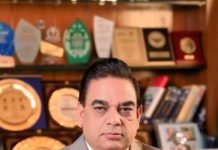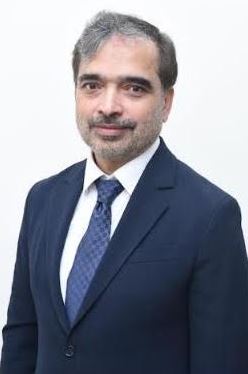
LAHORE, AUG 9 /DNA/ – Pakistan Industrial and Traders Associations Front (PIAF) Chairman and Lahore Chamber of Commerce and Industry (LCCI) President Faheem-ur-Rehman Saigol has welcomed the progress made by Pakistan and Iran towards finalising a Free Trade Agreement (FTA), saying the latest development should be converted into tangible commercial opportunities for businesses, exporters and investors.
He said the renewed push to increase bilateral trade to $10 billion annually was encouraging, but achieving the target would require practical reforms rather than relying solely on formal agreements. Pakistan and Iran concluded the 10th session of their Joint Trade Committee with progress on rules of origin, tariff-reduction modalities, product lists and trade facilitation, while also agreeing to strengthen border markets, customs coordination and commercial cooperation.
Saigol said the private sector should be placed at the centre of the next phase of Pakistan-Iran economic engagement. Business communities in both countries need predictable rules, efficient customs procedures, reliable transportation links and transparent payment mechanisms if bilateral trade is to expand substantially.
He observed that geographical proximity gives Pakistan a natural advantage in developing commercial relations with Iran, particularly for businesses in Punjab and other parts of the country seeking new regional markets. However, cumbersome border procedures, logistics costs and limited banking channels have historically restricted the full utilisation of this potential.
“The objective should be to transform geographical proximity into commercial connectivity and turn the Pakistan-Iran border into a gateway for legitimate trade and investment,” he said.
The PIAF chairman stressed that the proposed FTA should provide meaningful market access for Pakistani products rather than simply reduce tariffs on paper. He said exporters should be supported in identifying demand in Iran and developing competitive supplies in sectors including textiles and garments, pharmaceuticals, engineering products, food processing, leather, surgical instruments and other value-added goods.
He also called for special attention to small and medium-sized enterprises, saying SMEs could benefit significantly from easier access to the neighbouring Iranian market if customs procedures and documentation requirements were simplified.
Saigol said the two governments should accelerate work on joint border markets and ensure that major crossings remain operational for commercial cargo. The latest JTC discussions have already placed emphasis on improving border infrastructure, transport, logistics and customs coordination, particularly for perishable goods.
PIAF Senior Vice Chairman Nasrullah Mughal said greater private-sector interaction was essential for converting government-level understandings into actual trade flows. He called for regular business-to-business meetings, trade delegations and sector-specific forums to identify products and investment opportunities on both sides.
PIAF Vice Chairman Tahir Manzoor Chaudhry said banking and payment arrangements should also be addressed as part of the broader trade framework. He said legitimate businesses needed efficient mechanisms for settling transactions so that formal trade could expand without unnecessary procedural obstacles.
The PIAF chairman urged the Commerce Ministry to maintain structured consultation with chambers, trade associations, exporters and manufacturers during the remaining technical negotiations.