
DNA
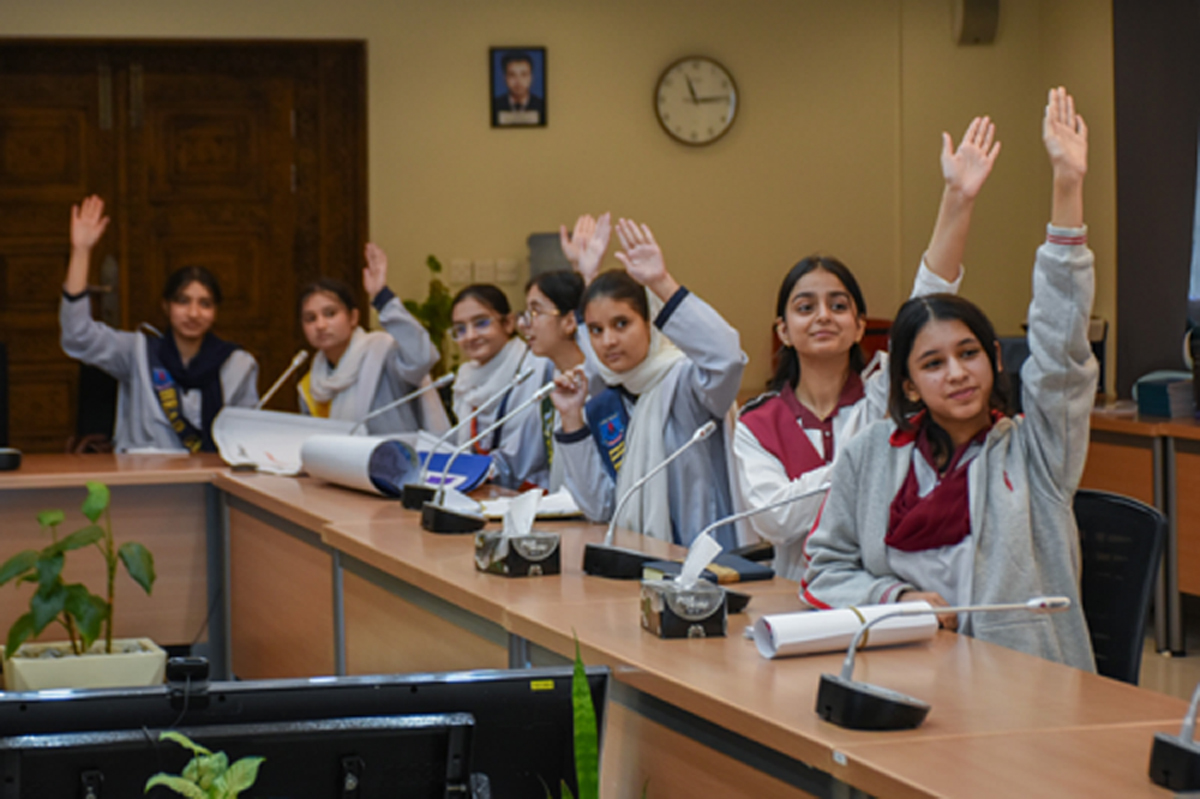
Islamabad, 19 November 2026: The Food and Agriculture Organization of the United Nations (FAO) in Pakistan organized interactive awareness sessions for school students in Islamabad today to mark World Antimicrobial Resistance (AMR) Awareness Week, observed globally from 18 to 24 November. The sessions aimed to introduce young people to the growing threat of antimicrobial resistance and encourage them to become advocates for the responsible use of medicines and the prevention of infections.
The participating students engaged in lively discussions, quiz competitions and an interactive message hunt activity, exploring what antimicrobial resistance is, how it develops, why the misuse and overuse of antibiotics are a concern, and what individuals can do to help prevent it.
Observed internationally under the theme “One Health, One Action: Prevent AMR Now,” this year’s campaign highlights the urgent need for responsible antimicrobial use and coordinated action across human, animal and environmental health.
Antimicrobial resistance occurs when microorganisms, including bacteria, develop the ability to withstand medicines designed to treat infections. The misuse and overuse of antibiotics and other antimicrobials accelerate this process, making infections increasingly difficult to treat and threatening the effectiveness of medicines that protect people and animals.
The school engagement forms part of FAO Pakistan’s wider public awareness campaign for World AMR Awareness Week, being implemented in collaboration with the Government of Pakistan and One Health partners.
FAO supports the Government of Pakistan and relevant institutions in strengthening animal health systems, improving disease surveillance, promoting responsible antimicrobial use, enhancing veterinary services and advancing the One Health approach.
Preventing AMR requires action from everyone. People can contribute by avoiding self-medication and using antibiotics only on qualified medical advice, following prescribed treatment as directed, maintaining good hygiene, practicing food safety and ensuring responsible use of antimicrobials in animals.