
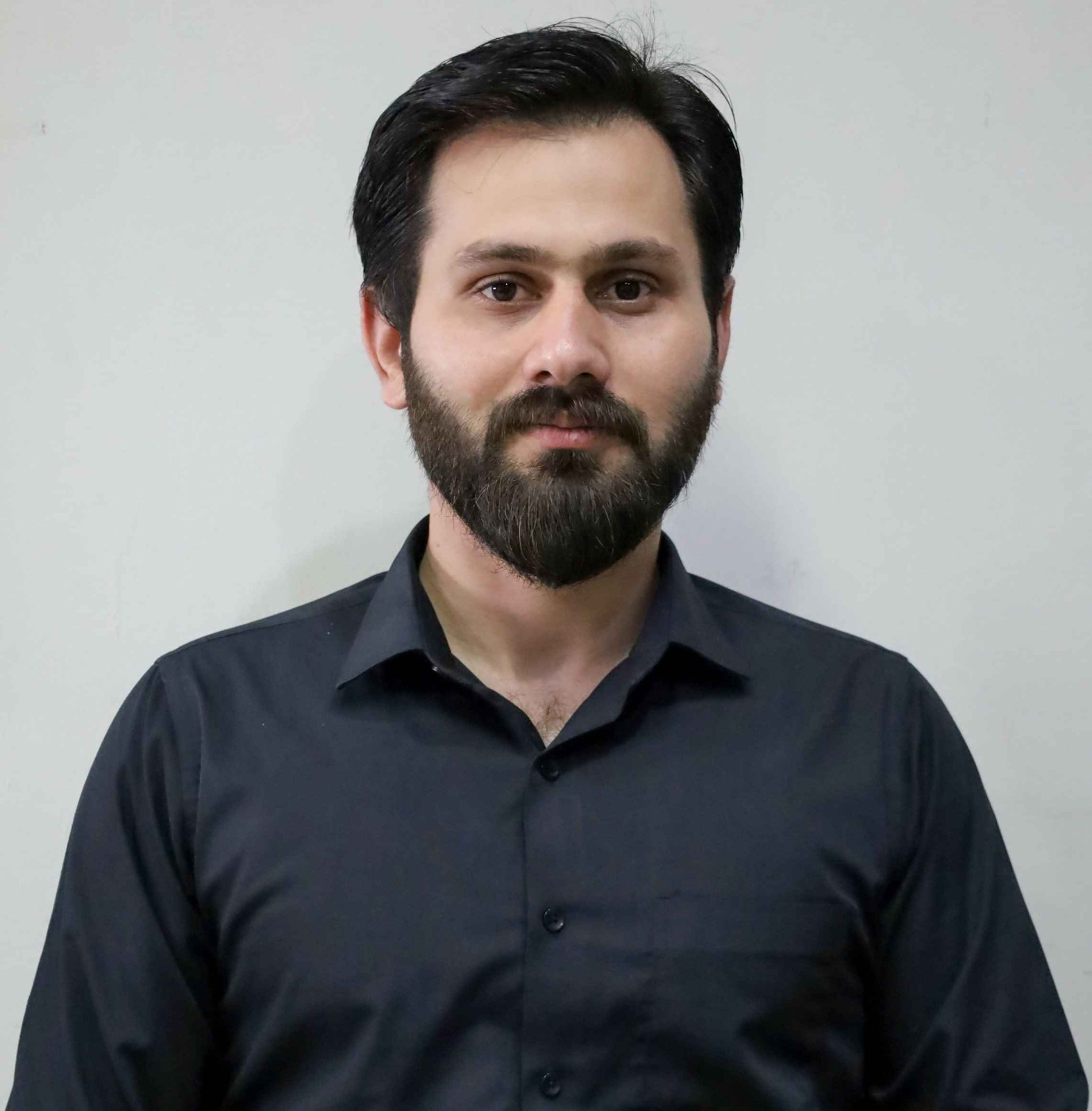
By Taha Khan Azizi
Every morning in Lahore, thousands of people step out of their homes carrying hopes, responsibilities, and dreams. For many, the day once began with uncertainty, unpredictable traffic, long delays, and the daily stress of simply getting to work or school on time. Hours lost on congested roads meant less time for families, fewer opportunities, and constant fatigue. The arrival of the Orange Line Metro Rail in October 2020 quietly transformed this daily reality. It did more than introduce a new mode of transport; it restored confidence in the idea that public infrastructure can improve ordinary lives.
As Pakistan’s first metro rail system, the Orange Line marked a historic milestone in the country’s urban development. Built under the framework of strategic cooperation between Pakistan and China, the project stands as a symbol of enduring friendship and shared vision. Stretching over 27 kilometers with 26 stations from Dera Gujran to Ali Town, it connects communities across Lahore, providing safe, efficient, and affordable transport. Beyond its physical presence, the system reflects the strength of Pakistan–China partnership, one that goes beyond infrastructure to include trust, knowledge sharing, and a shared commitment to progress.
Over the past five years, the Orange Line has carried more than 270 million passengers, with over 250,000 people relying on it every day. Behind these numbers are millions of individual stories. Students can now reach their universities on time without fear of delays. Workers spend less time in traffic and more time with their families. Young professionals can access opportunities across the city with greater ease. In a rapidly expanding urban center, reliable mobility is not just about convenience, it is about access to opportunity and a better quality of life.
The system’s consistent performance has played a key role in earning public trust. With modern electric trains, advanced signaling systems, and dedicated tracks, the Orange Line has completed over 512,000 train trips while maintaining an on-time performance rate of around 99 percent. Clean stations, air-conditioned coaches, and accessibility features for women, elderly citizens, and persons with disabilities have helped redefine the public transport experience. For many citizens, it represents a shift from uncertainty to reliability, and from compromise to comfort.
The Orange Line Metro Rail has also contributed to Lahore’s environmental and economic well-being. As an electric rail system, it provides a cleaner alternative to road-based transport, helping reduce traffic congestion, fuel consumption, and urban emissions. At the same time, the project has created more than 2,000 local jobs and contributed to the development of skilled Pakistani professionals working alongside Chinese experts. This collaboration reflects the true spirit of Pakistan–China friendship, a partnership that empowers people, builds capacity, and strengthens the foundation for long-term progress.
Chief Executive Officer Mr. Tan Zidong has noted that the Orange Line’s success demonstrates the reliability of modern urban rail transit in Pakistan and the strength of cooperation between Chinese and Pakistani teams in delivering safe and sustainable transportation.
Over time, the system has grown beyond a transport service to become a symbol of teamwork, professional excellence, and public trust, reflecting the shared dedication of all those working behind the scenes.
Perhaps the Orange Line Metro Rail’s greatest achievement is the confidence it has inspired. It has shown that modern infrastructure can operate successfully in Pakistan and serve millions of citizens every day. It has proven that progress is not just about building systems, but about sustaining them. Most importantly, it has improved daily life in ways both visible and invisible, saving time, reducing stress, and connecting people to opportunity.
As Lahore continues to grow, the Orange Line Metro Rail will remain more than a transport system. It will remain a symbol of progress, partnership, and possibility. Every day, as its trains move across the city, they carry not only passengers but also the promise of a more connected, modern, and confident Pakistan.—
(The writer is Deputy Manager PR Orange Line Metro Rail)