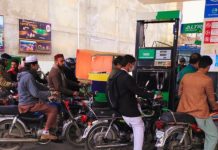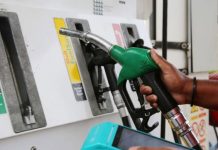
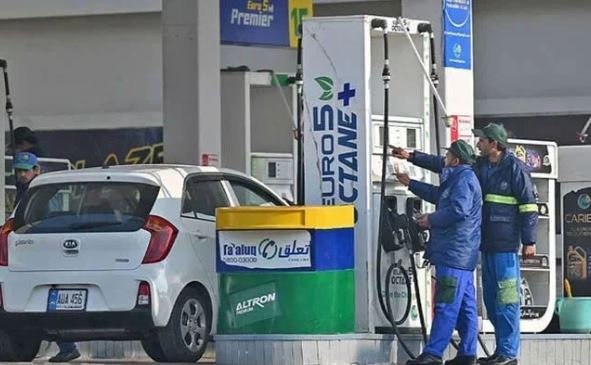
The government’s recent decision to increase fuel prices has sparked widespread frustration among the masses. Petrol prices have been raised by Rs 5 per liter, while diesel has gone up by Rs 7 per liter. This move has intensified the financial burden on ordinary citizens, who are already grappling with inflation and rising living costs.
What makes the decision particularly controversial is the global context. Crude oil prices worldwide have been on a downward trend, and the Pakistani rupee has shown signs of strengthening against the US dollar. Under these circumstances, many expected fuel prices to stabilize or even decrease. Instead, the government’s move to raise prices has been seen as unjustified and insensitive to public hardship.
Officials have defended the increase by citing the need to meet tax collection targets. However, critics argue that this approach unfairly penalizes the masses. Pakistan’s tax system is plagued by inefficiencies and corruption. The wealthy elite and “big guns” often evade taxes, while ordinary citizens bear the brunt of revenue generation through indirect taxation and price hikes. This imbalance has created a sense of injustice and deepened public resentment.
Tax authorities themselves are widely perceived as corrupt, with loopholes and weak enforcement allowing large-scale evasion. Instead of broadening the tax net and ensuring that affluent individuals and corporations contribute their fair share, the government continues to rely on measures that squeeze the middle and lower classes. This vicious cycle perpetuates inequality and undermines trust in state institutions.
Fuel price hikes have a cascading effect on the economy. Transportation costs rise immediately, pushing up the prices of essential goods and services. For daily wage earners and low-income households, even a small increase in fuel prices translates into significant hardship. The ripple effect extends to agriculture, manufacturing, and logistics, making life more expensive across the board.
At the heart of Pakistan’s economic struggles lies corruption. It is the single biggest hurdle to sustainable development. Mismanagement of resources, tax evasion, and lack of accountability have crippled the country’s ability to grow. While citizens are asked to tighten their belts, billions are lost annually due to corrupt practices. Without structural reforms and genuine political will, Pakistan will continue to lag behind its potential.
The government’s decision to raise fuel prices despite favorable global and domestic economic indicators reflects deeper systemic flaws. Instead of burdening the masses, authorities must focus on tackling corruption, expanding the tax net, and ensuring that the wealthy contribute fairly. Until then, ordinary Pakistanis will continue to pay the price for a system that protects the powerful while exploiting the vulnerable.