ISLAMABAD, DEC 15 – Pakistan has formally assured the International Monetary Fund (IMF) that it will implement a comprehensive 13-point reform agenda under climate financing, linking development spending, energy use, and disaster preparedness to climate resilience.
According to official documents, Pakistan has committed to implementing a 13-point reform framework under the IMF’s $1.3 billion Resilience and Sustainability Facility (RSF) program. The reforms set clear targets to be achieved by 2027, focusing on climate resilience, energy efficiency, and financial stability.
The Ministry of Finance has confirmed that these measures will apply across the federation and provinces.
Disaster risk financing to be strengthened
Pakistan has assured the IMF that it will strengthen disaster risk financing mechanisms to better deal with natural disasters. Improved financial planning will be introduced at both federal and provincial levels to manage climate-related emergencies.
The goal is to reduce fiscal shocks caused by floods, droughts, and other climate-driven disasters.
Under the new framework, climate impact assessment will be mandatory for all major development projects. Any project costing more than Rs7.5 billion will require a formal climate impact review before approval.
This condition will apply to all future development initiatives to ensure climate resilience is built into public spending.
Climate costs in infrastructure projects
According to the document, at least 30% of total expenditure in infrastructure projects will be allocated to climate-related measures. This includes adaptation, mitigation, and resilience-building components.
The move aims to ensure infrastructure can withstand climate shocks while reducing long-term environmental risks.
The Finance Ministry has confirmed that a climate budgeting system will be implemented at both federal and provincial levels. A climate budget report will be issued every year to track spending and progress.
This system is designed to improve transparency and accountability in climate-related financial planning.
Carbon levy on fuel included in reforms
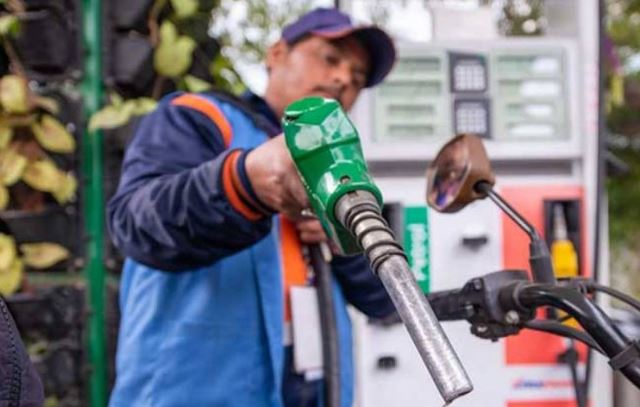
As part of the IMF conditions, Pakistan has agreed to impose an additional carbon levy of Rs5 per liter on petrol and diesel. The measure is intended to discourage fossil fuel use and generate revenue for climate initiatives.
The levy forms a key component of Pakistan’s climate financing strategy.
To promote clean transport, the government will provide subsidies for electric vehicles, according to the Ministry of Finance. Under the plan, 30% of new vehicles will be electric by 2030.
In addition, 50% of motorcycles are targeted to shift to electric by 2030, significantly reducing emissions from the transport sector.
Electricity subsidies to be restricted
Pakistan has assured the IMF that electricity subsidies will be limited to deserving consumers only. A decision has been taken to end electricity subsidies for wealthy consumers.
The government has also committed to reducing line losses and electricity theft, which continue to strain the power sector.
Energy labeling will be made mandatory for refrigerators, fans, LED lights, motors, and air conditioners. The sale of energy-efficient appliances will be actively promoted by June 2027, according to the Ministry of Finance.
These measures aim to lower energy consumption and reduce pressure on the national grid.
Water pricing, irrigation reforms planned
The government plans to collect service charges for effective water use in Sindh, Khyber Pakhtunkhwa, and Balochistan. Revenue from irrigation systems in provinces will be increased under the reform plan.
A new system for adjusting water rates will be introduced in Sindh and Punjab, improving sustainability and financial recovery in the water sector.
Under the agreement, a review of climate-related financial risks will be made mandatory for banks. Pakistan will also introduce green finance instruments and a green taxonomy to guide sustainable investments.
These steps aim to align the financial sector with climate resilience goals.