In response to the broader crisis sparked by US-Israeli strikes on Iran, Pentagon chief Pete Hegseth urged Israel to “press on until the end” during talks with Israeli Defense Minister Israel Katz
News Desk/DNA
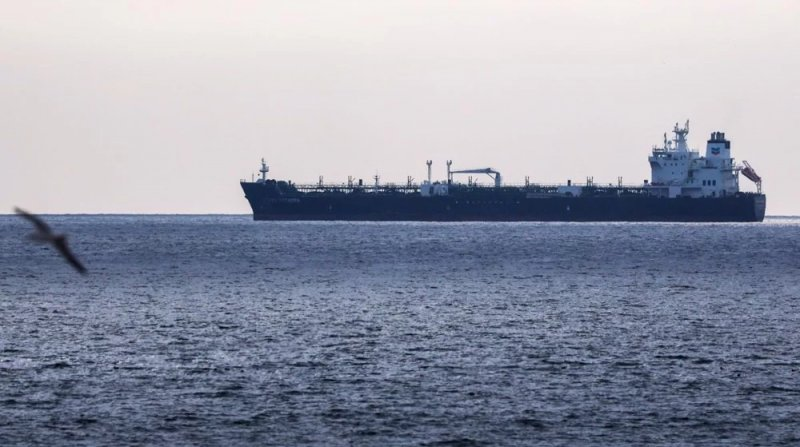
TEHRAN: The escalating US-Iran conflict took a dramatic turn in the Persian Gulf on March 5, 2026, as Iran’s Islamic Revolutionary Guard Corps (IRGC) claimed to have struck a US-flagged oil tanker in the northern Gulf, setting it ablaze with missiles.
The IRGC asserted that the vessel was targeted amid ongoing maritime confrontations, reiterating Iran’s “complete control” over the Strait of Hormuz—a vital chokepoint through which about one-fifth of global oil transits. Iranian state media reported the tanker burning, warning that passage remains under Tehran’s wartime authority, with threats to attack non-compliant ships.
This follows claims of hitting multiple tankers (over 10 in some reports) and declaring the strait effectively closed, paralyzing commercial traffic for days and spiking oil prices.
In response to the broader crisis sparked by US-Israeli strikes on Iran, Pentagon chief Pete Hegseth urged Israel to “press on until the end” during talks with Israeli Defense Minister Israel Katz. Hegseth emphasized unwavering US support, stating the joint campaign is “just getting started” and aimed at destroying Iran’s missile and naval capabilities without nation-building. He highlighted accelerating US force deployments and air superiority gains.
Separately, Tehran denied launching a ballistic missile toward Türkiye after Turkey’s defense ministry reported NATO systems intercepting one over the Mediterranean, having crossed Iraq and Syria. Iran called the allegation baseless, respecting Turkish sovereignty.
The incidents heighten fears of wider regional war, disrupting energy flows and drawing in NATO allies amid mounting casualties and economic fallout.