Iran to use
nuclear option
if attacked again
U.S. officials have previously assessed that Iran could reach weapons-grade enrichment in as little as a week if it chooses
DNA
TEHRAN: Ongoing conflicts in the Middle East continue to raise alarms, with fresh warnings about Iran’s nuclear capabilities, persistent Israeli strikes in Lebanon despite a ceasefire, and dire humanitarian risks from disruptions in the Strait of Hormuz.
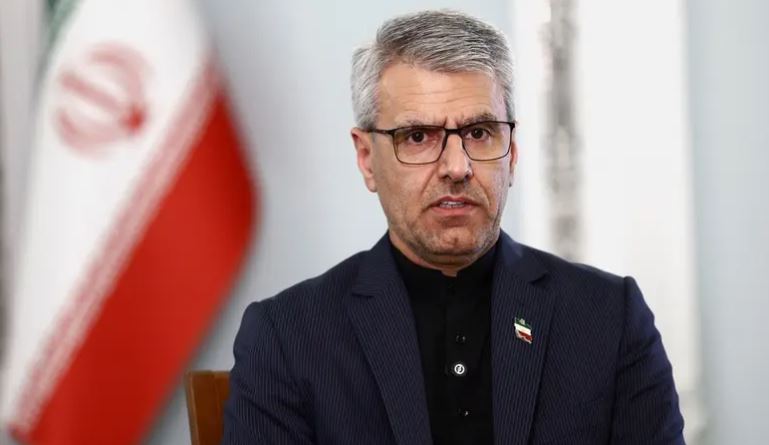
An Iranian lawmaker has stated that Tehran could quickly enrich its uranium stockpile to weapons-grade levels if the country faces further attacks. Prominent parliament member Alaeddin Boroujerdi indicated that Iran retains the technical ability to push enrichment beyond its current near-weapons-grade levels as needed, while insisting it has no desire to build a bomb. Similar warnings have surfaced from Iranian officials in recent years, amid stalled diplomacy and a fragile U.S.-Iran ceasefire.
U.S. officials have previously assessed that Iran could reach weapons-grade enrichment in as little as a week if it chooses. The Israeli military claims it has conducted strikes on more than 1,100 targets in Lebanon since a nominal ceasefire took effect in mid-April 2026, primarily targeting Hezbollah infrastructure. Despite the truce, daily operations — including airstrikes, shelling, and demolitions — have continued in southern Lebanon, with reports of significant civilian casualties.
Lebanese health authorities report dozens killed in recent days, including children and medical workers, amid strikes on residential areas, vehicles, and emergency teams. The violence has displaced over a million people and killed nearly 3,000 since early March, according to Lebanese figures. Israel maintains the actions are necessary to counter Hezbollah threats, even as U.S.-mediated talks between Israel and Lebanon are scheduled.
A senior UN official has issued a stark warning about the closure or severe restriction of the Strait of Hormuz, a critical chokepoint for global oil and fertilizer shipments disrupted by the U.S.-Iran conflict.
Jorge Moreira da Silva, head of a UN task force on the issue, said tens of millions could face hunger and starvation if fertilizer and related materials are not allowed through soon. “We have a few weeks ahead of us to prevent what will likely be a massive humanitarian crisis,” he stated, warning of up to 45 million more people pushed into acute hunger. The UN is pushing for a transparent mechanism to ensure safe passage of humanitarian cargo.
These developments unfold against a backdrop of a shaky U.S.-Iran ceasefire described by President Trump as on “life support.” Diplomatic efforts continue, with Iran rejecting key U.S. demands and tensions persisting over nuclear issues, maritime security, and proxy conflicts. Global energy prices and food security remain at risk as the standoff in the Gulf drags on.
The situation remains highly fluid, with potential for further escalation in multiple theaters. International calls for de-escalation and humanitarian access are growing.