DNA
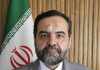
TEHRAN: In a televised address on March 7, 2026, Iranian President Masoud Pezeshkian stated that Iran will no longer launch attacks on neighboring countries.
He apologized to the affected Gulf states and other regional neighbors for the recent air strikes and missile attacks carried out by Iran amid the ongoing regional conflict.
Pezeshkian emphasized that Iran has no intention of invading or targeting neighboring nations unless attacked first from their territory. He noted that the Interim Leadership Council (formed following recent events, including the death of Supreme Leader Ali Khamenei) has approved this policy of restraint toward neighbors, stressing that Tehran seeks to avoid escalation with regional countries and has no enmity toward them.
This announcement comes amid intensified U.S.-Israeli strikes on Iran and Iran’s retaliatory actions, which have extended to targets in Gulf states like Saudi Arabia, Bahrain, and others (often framed by Iran as responses to U.S. military presence).Meanwhile, Pakistan’s Field Marshal Asim Munir Visits Saudi Arabia
In a related development, Pakistan’s Chief of Defence Forces and Chief of Army Staff, Field Marshal Asim Munir, flew to Riyadh, Saudi Arabia, on March 7, 2026, where he met with Saudi Defence Minister Prince Khalid bin Salman.
The two discussed the recent Iranian attacks on the Kingdom, including intercepted missiles targeting sites like Prince Sultan Air Base. They reviewed measures to halt such actions under the framework of the Joint Strategic Defence Agreement (signed in 2025 between Pakistan and Saudi Arabia), which treats aggression against one as aggression against both.
Pakistan has condemned the attacks on Saudi Arabia, aligning with its strong alliance with Riyadh. Both sides reaffirmed their commitment to regional security and stability, expressing hope that Iran would exercise restraint to avoid further miscalculations that undermine peace in the Middle East.
These developments highlight efforts to de-escalate tensions in the volatile region, though broader conflict involving U.S., Israel, and Iran continues.