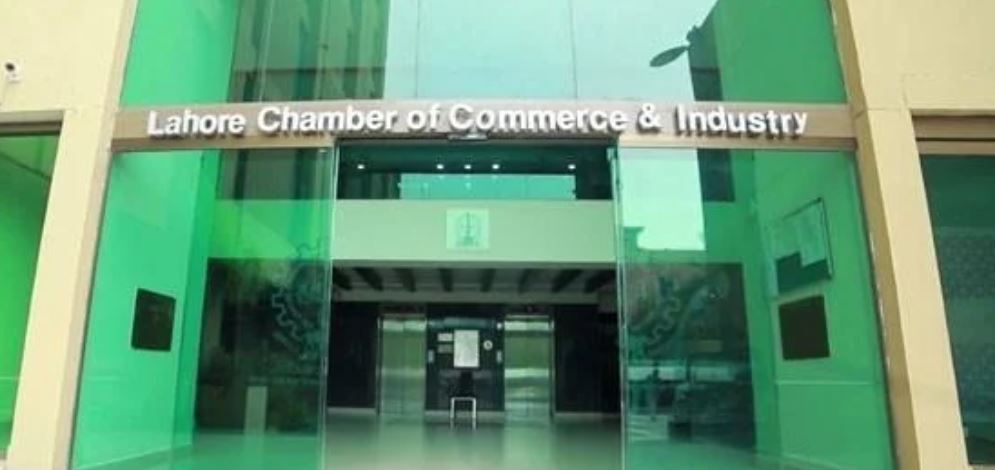
LAHORE, 29 NOV (DNA) — Lahore Chamber of Commerce and Industry (LCCI) President Ali Hussam Asghar welcomed Prime Minister Muhammad Shehbaz Sharif’s initiative to simplify bank financing procedures for Small and Medium Enterprises (SMEs), terming it an important step towards strengthening Pakistan’s industrial base, promoting entrepreneurship and accelerating economic activity.
While talking to a group exporters here on Sunday, he said that easier access to finance has long been one of the major challenges faced by small and medium-sized businesses. The measures, particularly the acceptance of business cash flows, digital export records and supply-chain documentation as alternative forms of collateral, would help thousands of viable businesses access to formal banking facilities that were previously beyond their reach.
Ali Hussam Asghar appreciated the Prime Minister’s direction to review banks’ prudential regulations and simplify lending requirements, saying that conventional collateral requirements often prevent small businesses, despite having viable operations and growth potential, from obtaining necessary financing.
He said that SMEs are a vital component of Pakistan’s economy and play a significant role in employment generation, industrial development, exports and poverty reduction. Strengthening this sector would not only support existing businesses but also encourage new entrepreneurs to establish enterprises and contribute to national economic growth.
He particularly appreciated the use of export records available through the Pakistan Single Window, Exim Insurance coverage and digital invoicing as alternative measures for assessing the creditworthiness of SMEs. Similarly, considering business cash flows as an alternative to conventional collateral would enable businesses with limited physical assets but sound financial operations to obtain loans.
Ali Hussam Asghar also underscored the importance of facilitating SMEs through Letters of Credit (LCs) and bank guarantees, stating that access to these banking instruments is essential for businesses engaged in domestic and international trade. Such facilities can help small enterprises participate in larger supply chains, undertake export orders and expand their presence in international markets.
He added that banks should adopt a business-friendly approach and ensure that simplified financing procedures translate into actual relief for entrepreneurs. The process of loan applications, documentation, evaluation and disbursement should be transparent, efficient and accessible, particularly for small businesses operating outside major markets.
The LCCI President further highlighted the importance of effective coordination between banks and government institutions, saying that access to relevant government data could significantly reduce procedural delays and make the financing process more efficient.
He said that the banking industry’s commitment to increase SME financing to Rs. 2 trillion by June 2028 and expanding the number of SME borrowers to 775,000 reflects the scale of opportunity available in this sector. However, achieving these targets would require consistent implementation, effective monitoring and close coordination between the banking industry, regulators and the business community.
Ali Hussam Asghar urged financial institutions to ensure that small manufacturers, exporters, women entrepreneurs, startups and emerging businesses receive equal opportunities to benefit from these facilities. He said that a strong SME sector is essential for building a competitive, diversified and export-oriented economy.
Facilitating access to finance, reducing regulatory hurdles and improving banking support would enable businesses to expand production, introduce modern technologies, generate employment and enhance Pakistan’s export potential. The LCCI President said that the private sector is ready to work alongside the government and financial institutions to strengthen SMEs and make these financing initiatives effective at the grassroots level. — DNA