Macron reiterated that France is not a party to the current conflict and “will never take part” in operations to reopen the strait amid active hostilities
News Desk
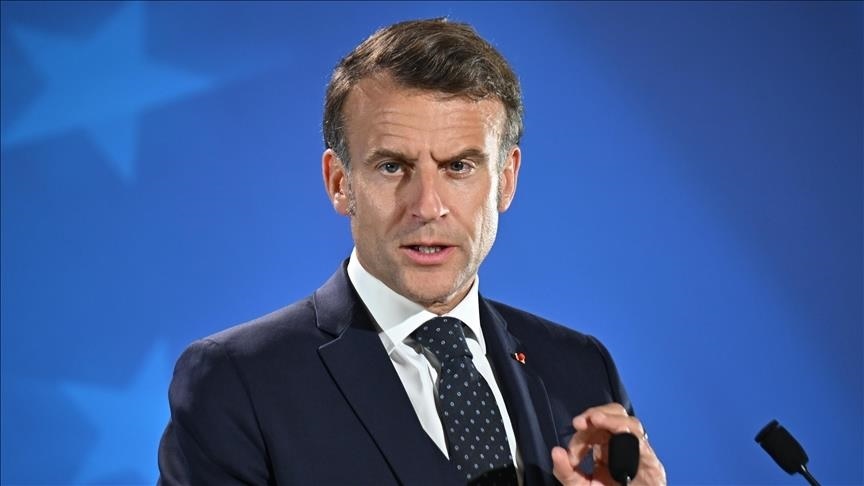
PARIS: French President Emmanuel Macron stated that a military operation to “liberate” or force open the Strait of Hormuz by force is “unrealistic.” He emphasized that such an effort would be time-consuming and expose shipping to risks from Iranian forces and ballistic missiles.
Macron reiterated that France is not a party to the current conflict and “will never take part” in operations to reopen the strait amid active hostilities. He indicated France could support escort missions for shipping only once the situation calms and diplomatic talks progress. This comes amid reported frustration with shifting or alternating statements from US President Donald Trump on the war and allied involvement in securing the vital oil transit route.
Trump has publicly criticized European allies, including France, for insufficient support in the conflict and efforts related to the strait, while Macron’s office has pushed back on some of those characterizations.Iranian Reactions to Civilian StrikesIran’s Foreign Ministry spokesperson Esmaeil Baghaei (also referred to as Esmail Baqaei) condemned US-Israeli military actions, describing strikes on civilian sites—including a sports hall in Lamerd (Fars Province) and nearby educational facilities—as part of a “systematic and brutal pattern of illegal warfare.” He called the attacks “despicable” and argued they amount to more than war crimes, pointing to over 600 schools and educational centers allegedly targeted. Iran has labeled these incidents, including the Lamerd sports hall strike (reportedly involving a US Precision Strike Missile), as war crimes. The US military has denied responsibility for the Lamerd incident.
Iran’s Nuclear StanceIran’s ambassador to the IAEA, Reza Najafi, told AFP that Tehran is not looking to “restart” uranium enrichment to weapons-grade levels. He described claims of resumed enrichment as “a very big lie,” insisting Iran has not restarted such activities following earlier strikes on its nuclear facilities. Najafi maintained that Iran’s program remains peaceful.
The same Iranian IAEA envoy warned that any attack on the Bushehr nuclear power plant—Iran’s only operational nuclear reactor—would constitute a “war crime” and potentially a “crime against humanity” under international law. He highlighted risks of radioactive contamination affecting civilians and water supplies. The IAEA has reported multiple projectiles striking near or on the plant’s premises in recent weeks (with no confirmed damage to the reactor or radiation leaks so far) and has urged restraint from all parties.
These statements reflect heightened tensions in the month-long conflict, with disruptions to oil shipping through the Strait of Hormuz, mutual accusations of war crimes, and ongoing debates over military escalation versus diplomacy. The IAEA continues to monitor nuclear sites closely and call for de-escalation.This is a fast-moving situation with competing narratives from all sides. For the most current updates, refer to reliable international news sources.