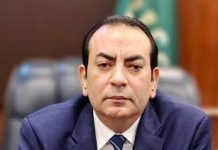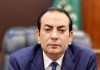
KARACHI, MAR 31 /DNA/ – Atif Ikram Sheikh, President of the Federation of Pakistan Chambers of Commerce & Industry (FPCCI), has acknowledged the Ministry of Commerce for its timely and trade-friendly decision to temporarily exempt exports to Iran, the Central Asian Republics and Azerbaijan from mandatory financial instruments.
Mr. Atif Ikram Sheikh, on behalf of the entire business, industry and trade community of Pakistan, hailed Mr. Jam Kamal Khan, Federal Minister of Commerce, Pakistan, for this visionary decision – which happened to be a longstanding and relentlessly advocated demand of FPCCI.
Mr. Atif Ikram Sheikh maintained that this nearly 3-month waiver on Letters of Credit (LCs) and bank guarantees – effective from March 24 to June 21, 2026 – acts as a vital lifeline for Pakistani exporters navigating current regional maritime disruptions as a result of ongoing military conflict.
FPCCI Chief emphasized that this relaxation will serve as a necessary catalyst for realizing the ambitious $10 billion bilateral trade target previously set between Pakistan and Iran. Recent customs data also highlights the immense potential of this trade corridor, he added.
Mr. Atif Ikram Sheikh informed that by temporarily removing the immediate bottlenecks of formal banking channels – which have historically constrained commercial activity due to strict State Bank of Pakistan (SBP) regulations and international sanctions – the government has unlocked a highly-lucrative, land-based trade route.
President FPCCI highlighted that, with global shipping traffic through the Strait of Hormuz currently experiencing a severe 90% drop amid escalating geopolitical tensions in the Gulf, shifting commercial focus to secure land routes is an absolute economic necessity. This exemption ensures that Pakistan’s supply chains remain uninterrupted, resilient and globally- competitive.
Mr. Atif Ikram Sheikh elaborated that the Ministry of Commerce’s recent notification permits the export of several high-demand commodities via the Iranian land route without the usual financial safeguards – provided exporters submit an undertaking to repatriate proceeds within a stipulated time-frame.
Mr. Saquib Fayyaz Magoon, SVP FPCCI, anticipated a significant volume boost in the following approved sectors: (i) agricultural products; including, milled rice, maize, potatoes, onions, tomatoes, bananas and citrus fruits (ii) protein & seafood; including, meat, frozen chicken and various seafood products (iii) value-added & essential goods: pharmaceutical products and disaster-relief tents.
Mr. Saquib Fayyaz Magoon explained that by easing the stringent requirements of the Export Policy Order 2022, Federal Commerce Minister, Mr. Jam Kamal Khan has significantly reduced transaction costs and transit times for the business community. This allows Pakistan to not only export to Iran; but, also tap into the lucrative, land-locked Central Asian economies. Our exporters are fully committed to honoring their repatriation undertakings to maintain the integrity of our national foreign exchange reserves, he added.
SVP FPCCI also proposed that, while FPCCI enthusiastically welcomes this 3-month relief, it urges the federal government to utilize this window to formalize permanent, sustainable solutions; including, permanent barter trade formalization through expanding the current limited barter mechanisms into a comprehensive, robust framework that mitigates banking hurdles entirely.
FPCCI proposes infrastructure development in the border logistics and customs stations – such as the newly-established Jeerak customs facility in Panjgur – to efficiently handle the projected increase in cargo volumes. Additionally, transit trade expansion is needed to solidify the Iranian corridor as a permanent, frictionless gateway for Pakistan to the Central Asia.
FPCCI stands ready to collaborate with the Ministry of Commerce to ensure the seamless, fruitful execution of this exemption – and, to advocate for trade and economic policies that secure Pakistan’s macroeconomic stability through export-led, sustainable economic growth.