RCCI urges out-of-the-box solutions amid war conflict to provide relief
RAWALPINDI, APR 3 /DNA/ – The Rawalpindi Chamber of Commerce and Industry (RCCI) has expressed grave concern over the sharp increase in petroleum prices, warning that the move will have far-reaching consequences for the economy, businesses, and the general public.
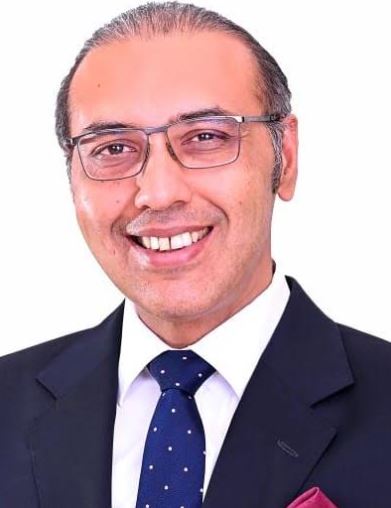
RCCI President Usman Shaukat, while reacting to the government’s decision to increase POL prices, stated that the unprecedented hike—raising petrol prices by Rs137 per litre to a record Rs458.4—has effectively doubled transportation costs. He cautioned that this surge will significantly fuel food inflation and escalate construction expenses, further burdening both consumers and the business community.
He noted that the new petrol price is disproportionately higher than trends in the international market, attributing the spike to the imposition of a record petroleum levy of Rs160.61 per litre. “Such excessive taxation is placing an unbearable strain on the economy and must be urgently reviewed,” he said.
Highlighting the need for immediate corrective measures, the RCCI chief proposed a reduction in non-essential government expenditures and a temporary cut in development projects to create fiscal space for relief measures. He also urged provincial governments to pool resources and introduce targeted subsidies to cushion the impact on the masses.
Citing an example, he quoted the Punjab government’s initiative (August 2024) of providing relief in electricity prices by allocating Rs45 billion from its own budget, and suggested that similar proactive measures be adopted for fuel price relief.
RCCI further called upon the federal government to engage with the IMF to ensure that the burden of levies is not directly transferred to consumers. Usman Shaukat emphasized the importance of adopting a phased approach to fuel price adjustments, coupled with targeted subsidies for vulnerable sectors.
“Policymakers must engage with the business community to find balanced solutions that protect consumers while ensuring the sustainability of production,” he added.