
ISLAMABAD, JAN 4 /DNA/ – The Pakistan Industrial & Traders Association Front (PIAF) has expressed serious concern over the continued decline in the country’s exports, warning that the worsening trade imbalance could further strain the already fragile economy if urgent corrective measures are not taken.
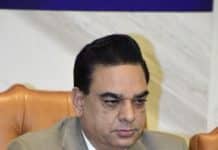
PIAF Chairman Faheemur Rehman Saigol, along with Senior Vice Chairman Nasrullah Mughal and Vice Chairman Tahir Manzoor Chaudhary, said the latest data released by the Pakistan Bureau of Statistics (PBS) paints a “deeply troubling picture” of Pakistan’s external trade performance, particularly for export-oriented industries.
According to PBS figures, Pakistan’s exports fell by 20.41 percent year-on-year in December 2025, declining to USD 2.32 billion from USD 2.91 billion in the same month last year. This marks the fifth consecutive monthly decline, pushing the trade deficit to USD 19.20 billion in the first half of the financial year 2025-26.
PIAF leadership noted that exports have also declined on a month-on-month basis by 4.26 percent, while imports surged sharply by 13.49 percent in December to reach USD 6 billion, further widening the gap. In the first half of FY2025-26, exports stood at USD 15.18 billion, down 8.70 percent, while imports jumped 11.28 percent to USD 34.4 billion.
Chairman Saigol said the persistent decline underscores the mounting pressure on exporters amid subdued global demand and rising domestic costs, particularly energy prices. “Our exporters are losing competitiveness not because of lack of capacity or skill, but because the cost of doing business in Pakistan has become unsustainable,” he said.
PIAF highlighted the worrying decline in textile and food exports, two key pillars of Pakistan’s export basket. Textile exports dropped 9 percent, while food exports plunged 35 percent. Although textile and apparel exports showed a marginal one percent growth in the first half of the fiscal year to USD 9.19 billion, the association warned that this trend may not be sustainable without policy support.
Senior Vice Chairman Nasrullah Mughal emphasized that electricity tariffs remain the biggest challenge for the textile industry. “At an average electricity cost of 12 cents per unit, Pakistani textiles simply cannot compete internationally. Regional competitors are operating at 7 to 8 cents, which gives them a decisive edge,” he said, adding that rising LNG prices have further increased operational costs for industries running captive power plants.
Vice Chairman Tahir Manzoor Chaudhary stressed that declining agricultural and food exports, which fell to USD 2.62 billion in the first half from USD 4.06 billion last year, indicate structural issues that require immediate attention. He called for export-focused incentives, easier access to financing, and predictable energy pricing.
PIAF also noted that while services exports showed some resilience, rising overall trade and services deficits pose a long-term risk to macroeconomic stability.
The association urged the government to rationalize energy tariffs, reduce taxes on exports, ensure uninterrupted power supply, and formulate a consistent export-led growth policy. Without swift intervention, PIAF warned, Pakistan risks losing further market share at a time when foreign exchange earnings are critically needed.