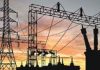
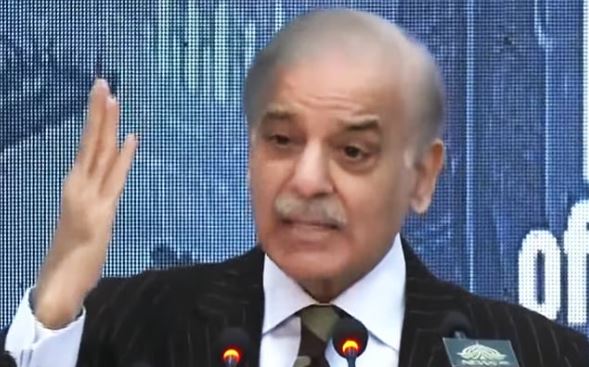
ISLAMABAD: Prime Minister Shehbaz Sharif on Thursday announced an Rs4.4 per unit reduction in electricity tariffs for industries, along with an Rs9 cut in wheeling charges, to support the business fraternity.
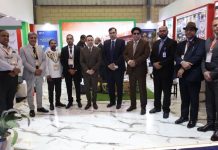
He made these remarks while addressing a ceremony held in honour of the country’s eminent businessmen and exporters in Islamabad. Deputy Prime Minister and Foreign Minister Ishaq Dar, federal ministers, leading businessmen, entrepreneurs and exporters also attended the ceremony.
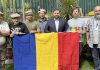
At the ceremony, awards were distributed among exporters who made a significant contribution to the national economy, and the prime minister personally presented awards to prominent exporters and business figures from across the country, whom he also formally welcomed.
The prime minister, while addressing the ceremony, said all future economic policies would be framed in close consultation with the business community and that there was no alternative to export-driven economic growth. He also announced that traders who had received awards would be granted blue passports.
He further said the government was also reducing the tax rate for exporters from 7.5% to 4.5% to provide immediate relief to businesses and accelerate export-led growth.
PM Shehbaz said the government did not believe in running businesses itself and that the private sector must lead economic activity, while the state’s role was to provide a conducive and predictable business environment. The prime minister said Pakistan must now move decisively towards growth and welcomed proposals from the business community.
“You exporters deserve the highest praise. Great business leaders have worked day and night to bring pride to the country,” the prime minister said, adding that exporters had delivered a strong performance despite difficult conditions and had posted a notable increase in Pakistan’s exports in 2025.
He said some people had claimed that Pakistan had technically defaulted and that talk of the country’s bankruptcy had continued in the past, but saving Pakistan from default had been one of the government’s biggest challenges.
“When we assumed office, the economic situation was extremely fragile, and the common man faced severe hardships,” he said.
Referring to international engagements, the prime minister said he met the managing director of the International Monetary Fund (IMF) in Paris in 2023, and later the global lender approved an economic programme for Pakistan. He said the IMF chief had also remarked that offering a new structure at that time was difficult.
He said inflation was gradually coming down, while the policy rate had declined sharply from 22% to around 10.5%. Owing to improved economic policies, Pakistan’s foreign exchange reserves had doubled, he said, adding that government efforts had helped save the country from bankruptcy.
The prime minister said friendly countries had fully supported Pakistan during difficult times and that, together with the Chief of Army Staff and Chief of Defence Forces Field Marshal Asim Munir, he had met leaders of several countries to advance economic stabilisation. He said the results of difficult decisions were now becoming visible.
He stressed that Pakistan must move forward collectively on the path of development and that the entire nation, particularly the poor, had made sacrifices during the stabilisation phase.
He directed State Bank of Pakistan (SBP) Governor Jameel Ahmed to listen carefully to the concerns of business leaders and reiterated that economic policies would be finalised after structured consultations with traders and exporters.
On the regional and international front, Prime Minister Shehbaz said Pakistan had achieved successes on the diplomatic and defence fronts. Referring to the victory in “Marka-e-Haq”, he said Pakistan now held a unique standing in the world, and during his post-victory foreign visits, he witnessed a clear change in international attitudes.
He said that after Marka-e-Haq, heads of state personally embraced him and that the world was now ready to listen to Pakistan. He added that contacts were being made to attract fresh investment.
‘Ending corruption, cutting expenditures’
On privatisation and institutional reforms, he said the privatisation of Pakistan International Airlines had been conducted transparently and that future privatisation would also strictly follow transparency standards.
He said the Pakistan Works Department had been shut down due to poor performance after years of political controversy, utility stores had been closed because of widespread corruption, and Pasco had also been shut.
He said the government was introducing reforms and cutting expenditures worth billions of rupees. He stressed that taxes must be reduced, particularly direct taxes, and said direct taxes should be lowered immediately, not at some distant point in the future. He said indirect taxes were collected from consumers and deposited with the government.
The prime minister said petrol smuggling had almost been eliminated and credited the Field Marshal for playing a one-hundred-per-cent role in curbing smuggling. He said the government first focused on the affairs of sugar mills as part of broader corrective measures.
Highlighting priority sectors, he said the textile and leather industries were playing a vital role in the economy, and export-based growth remained the government’s central focus. He said significant initiatives were also being taken in the digital sector.
The prime minister said his entire cabinet was working tirelessly to pave the way for national development and that political and military cooperation was opening all avenues for progress. He added that politics was everyone’s right, but national dignity must come first.