

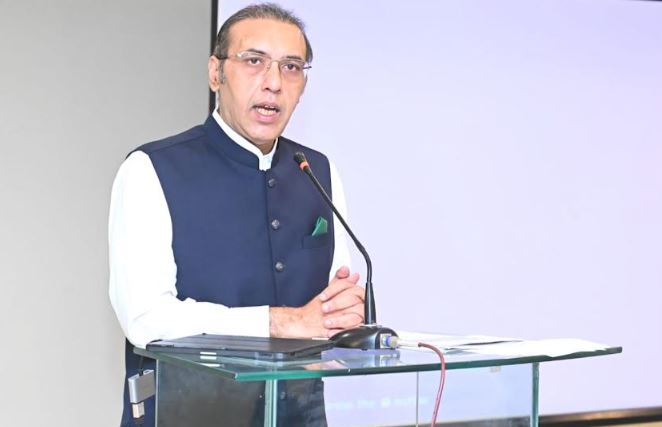
RAWALPINDI, AUG 25 /DNA/ – President of the Rawalpindi Chamber of Commerce and Industry (RCCI), Mr. Usman Shaukat, has welcomed Moody’s Ratings’ decision to upgrade Pakistan’s sovereign credit rating from Caa1 to B3, terming it an encouraging sign of growing international confidence in the country’s economic policies and reform agenda.
In a statement, RCCI President Usman Shaukat said that the upgrade was particularly encouraging despite the enormous challenges posed by multilateral and global uncertainty, including the ongoing conflict in the region and tensions involving Iran and the United States.
He said the recognition of Pakistan’s improving economic conditions by leading international financial institutions and credit rating agencies was a welcome development and could help strengthen investor confidence, improve access to international financing and create greater opportunities for the private sector.
“Moody’s upgrade reflects the progress made toward macroeconomic stabilization, improved fiscal management and strengthening of Pakistan’s external position. It is a positive signal that the international financial community is taking note of these developments,” he said.
He noted that Moody’s had highlighted the steady buildup of foreign exchange reserves, lower domestic financing costs following monetary easing and improvements in fiscal conditions as key factors behind the upgrade. Pakistan’s foreign exchange reserves reached around $17 billion by the end of July 2026, compared with approximately $14 billion a year earlier.
Mr. Shaukat emphasized that the upgrade should not lead to complacency. He said Pakistan must continue implementing structural reforms, broaden its tax base, improve governance, enhance debt affordability and create an environment conducive to private investment and high-productivity economic growth.
The RCCI President expressed hope that continued economic reforms and policy consistency would lead to further improvements in Pakistan’s credit profile and reinforce international confidence in the country’s economic future.