Iranian officials have been actively engaging both sides in recent days. Foreign Minister Abbas Araghchi has spoken to his Pakistani and Afghan counterparts, offering Tehran’s “good offices” to ease tensions
Ali Furqan
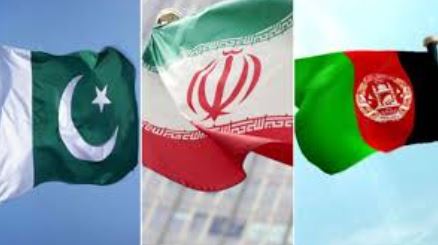
ISLAMABAD: Iran is preparing to host a fresh round of mediation next week between Pakistan and Afghanistan’s Taliban regime, in what is being viewed as the most ambitious diplomatic push yet to break the deadlock between the two neighbours.
According to reliable sources, this important meeting will be held of 16th and 17th December in Tehran.
The meeting follows earlier rounds of talks in Doha, Istanbul and Jeddah, all of which failed to deliver a breakthrough.
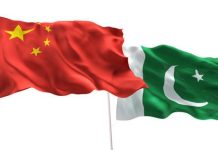
What makes the upcoming Tehran session notable is the expected participation of China and Russia, a sign that major regional powers see the escalating Pak-Afghan strain as a threat to broader stability.
Diplomatic sources say Pakistan’s special envoy for Afghanistan, Ambassador Muhammad Sadiq, will represent Islamabad.
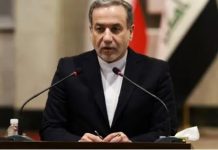
Iranian officials have been actively engaging both sides in recent days. Foreign Minister Abbas Araghchi has spoken to his Pakistani and Afghan counterparts, offering Tehran’s “good offices” to ease tensions. He confirmed at the Tehran Dialogue Forum last month that Iran was working to convene a wider regional gathering focused on de-escalation.
Islamabad has publicly welcomed the proposal. Foreign Office spokesperson Tahir Hussain Andrabi said that Pakistan “would not shy away from” Iran’s mediatory role. “Iran is a brotherly, friendly country. Pakistan is always in favour of peaceful resolutions through dialogue and diplomacy,” he said, adding that Pakistan had a “very strong case” in seeking action against anti-Pakistan militant groups operating from Afghan soil.
Tehran, meanwhile, has framed the situation as a rising security concern. On Monday, Iranian Foreign Ministry spokesperson Ismail Baqai said Iran was “worried about the situation between Pakistan and Afghanistan” and warned that if tensions deepen, they could pose a direct threat to Iran’s national security.
Iran’s renewed involvement comes after the visit of Dr. Ali Larijani, the Supreme Leader’s envoy and secretary of Iran’s Supreme National Security Council to Islamabad last month, during which the regional security climate and Pak-Afghan dynamics were central to discussions.
Experts suggest that Iran, as a neighbour to both Pakistan and Afghanistan, is better placed than previous mediators such as Turkiye, Qatar or Saudi Arabia to take on a more influential role. The inclusion of Russia and China both increasingly wary of instability spilling across borders further raises expectations that the Tehran meeting may offer a more serious attempt at de-escalation.
Previous mediation efforts collapsed largely due to the Afghan Taliban’s refusal to offer a written commitment or accept a mechanism ensuring “decisive and irreversible” action against the Tehreek-e-Taliban Pakistan (TTP) and other anti-Pakistan groups.
Recent attacks, including a bombing in Islamabad and a foiled assault in South Waziristan, have brought the fragile ceasefire to the brink.
With tensions climbing and the diplomatic window narrowing, Iran’s initiative is being closely watched across the region. Whether the Tehran meeting will finally deliver progress remains uncertain but for now, it represents the strongest regional attempt to pull Islamabad and Kabul back from a dangerous trajectory.