Shamim Shahid
PESHAWAR: Tensions between Pakistan and Afghanistan have escalated sharply following a series of RETALIATORY measures that have strained diplomatic ties, disrupted trade and deepened mistrust between the two neighbouring countries.
Despite official justifications from Pakistan’s security establishment regarding the closure of border crossings, suspension of trade routes and tightening of travel restrictions, analysts suggest Islamabad may have misjudged Kabul’s response.
According to a senior Afghan journalist, Pakistan appeared to assume that the Taliban administration, like previous governments in Kabul, would eventually yield under economic and diplomatic pressure. However, the Afghan authorities have responded with what analysts describe as an unusually firm and uncompromising stance.
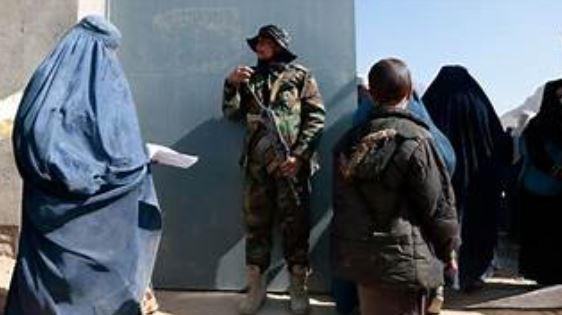
In recent weeks, Pakistan sealed key border crossings, halted bilateral trade and intensified measures against undocumented Afghan nationals, including arrests and repatriations. Afghan officials and commentators have criticised these steps, calling them coercive and counterproductive.
The fallout has affected ordinary citizens on both sides of the border. Traders have reported significant losses due to suspended supply chains, while families dependent on cross-border movement face uncertainty. The repatriation drive targeting Afghan nationals has also drawn criticism from humanitarian groups.
Diplomatic efforts to ease tensions have so far yielded limited results. Dialogues held in Doha, Ankara, Tehran and Riyadh reportedly failed to produce a breakthrough. In addition, informal outreach through religious scholars and clerics has not led to a thaw in relations, particularly amid continued public statements from Islamabad emphasising security concerns.
Observers note that this marks one of the rare occasions when Kabul has adopted a sustained and consistent position in the face of pressure from Islamabad. The Taliban administration has maintained that it will not compromise on what it describes as sovereignty and national dignity.
Meanwhile, some political figures in Pakistan have acknowledged past policy miscalculations regarding Afghanistan. Defence Minister Khawaja Asif recently conceded that previous engagements with militant groups had produced unintended consequences — a statement seen by analysts as a sign of introspection within sections of the political leadership.