DNA
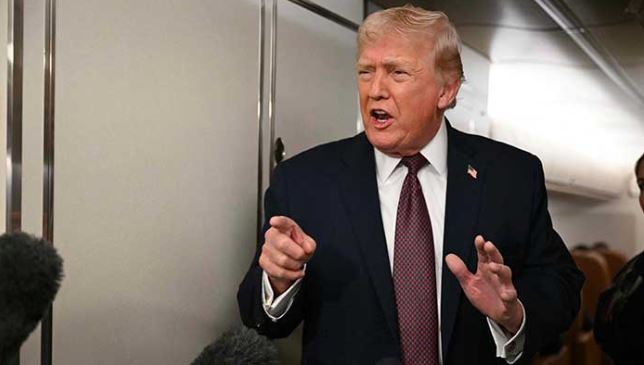
Washington: U.S. President Donald Trump has indicated that he is “seriously considering” withdrawing from NATO, expressing deep dissatisfaction with the alliance and its lack of support during the ongoing Iran conflict.
According to recent statements, Trump said NATO has “disappointed” him and “never impressed” him, adding that “without the United States, NATO is nothing.” His remarks reflect growing frustration within Washington over what it perceives as limited backing from European allies during the war with Iran.
Trump has repeatedly criticized NATO members for failing to contribute meaningfully, stating that the alliance “has done absolutely nothing” to support U.S. efforts.
U.S. Secretary of State Marco Rubio has echoed these concerns, suggesting that Washington may “reexamine” its relationship with NATO after the conflict ends, calling the alliance a potential “one-way street” if allies do not reciprocate support.
On the Iran front, President Trump struck an optimistic tone, predicting that Iran would soon be brought to an end militarily. He has suggested that U.S. operations could conclude within “two to three weeks,” signaling a possible rapid end to the conflict.
Secretary of State Rubio also indicated that the United States can see the “finish line” in the war, hinting that the conflict may wind down in the coming weeks, although not immediately.
Meanwhile, UK Prime Minister Keir Starmer has reaffirmed that Britain will not join the war militarily. While maintaining support for NATO and broader Western security cooperation, Starmer made it clear that the UK would avoid direct involvement in combat operations.
He emphasized that NATO remains a crucial alliance despite tensions with Washington, even as Britain focuses on diplomatic and economic responses to the crisis.
The latest remarks highlight increasing strain between the United States and its traditional allies, particularly over burden-sharing and strategic priorities in the Middle East. Analysts warn that any U.S. move to leave NATO could have far-reaching implications for global security and the future of Western alliances.