
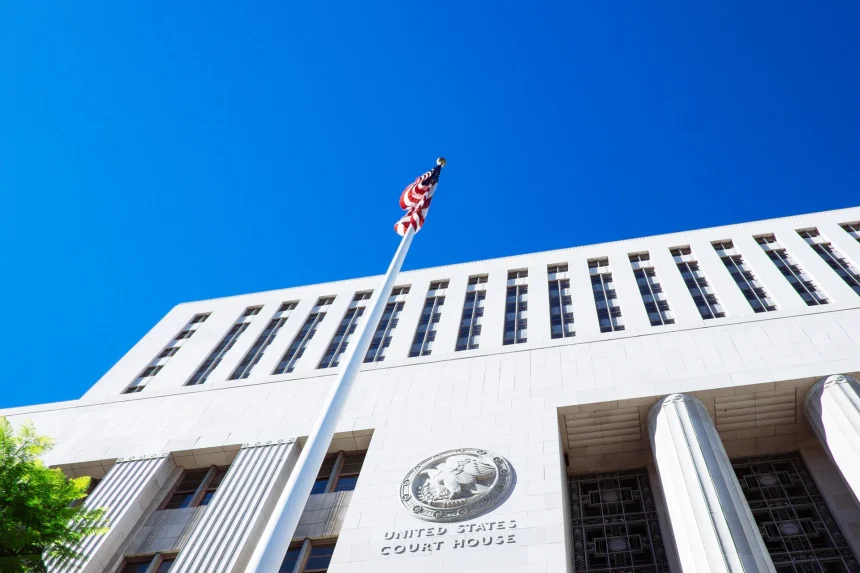
WASHINGTON, Mar 18 (SANA/APP/DNA):A federal jury in Los Angeles has convicted Samir Othman al-Sheikh, former director of Adra Central Prison during the period of the defunct regime, on multiple charges including torture and immigration fraud, in a landmark case under U.S. jurisdiction.
According to a statement by the U.S. Department of Justice, cited by Reuters, al-Sheikh was found guilty of three counts of torture against detainees, one count of conspiracy to commit torture, as well as charges related to fraudulently obtaining a U.S. green card.
Al-Sheikh, who headed Adra prison between 2005 and 2008, was arrested in July 2025 while attempting to leave the United States. He remains in custody pending sentencing and faces up to 20 years in prison for each torture-related charge, with a court date yet to be set.
Prosecutors said the charges, first filed in late 2024, were based on evidence that al-Sheikh ordered and oversaw acts causing severe physical and psychological suffering to detainees, and in some cases personally participated in abuse.
Part of broader international accountability efforts
Rights groups described the verdict as a significant step toward accountability for crimes committed during the Syrian revolution. The Syrian Emergency Task Force, based in Washington, called the ruling a “historic precedent” in the pursuit of justice.
The case comes amid a growing number of prosecutions in Europe targeting officials linked to abuses committed during the period of the defunct regime.
In the United Kingdom, a court in London recently began proceedings against a former intelligence officer affiliated with the deposed regime, on charges including murder, torture and crimes against humanity, under laws allowing prosecution of serious international crimes committed abroad.
Similarly, prosecutors in Austria have brought charges against former officials accused of systematic abuses against detainees between 2011 and 2013, including torture and sexual violence.
In France, courts in 2024 held trials in absentia against senior figures from the defunct regime on charges related to war crimes and crimes against humanity.
Legal analysts say these cases reflect an expanding use of universal jurisdiction, enabling courts to prosecute grave international crimes regardless of where they were committed.















:A federal jury in Los Angeles has convicted Samir Othman al-Sheikh, former director of Adra Central)