DNA
RIYADH, DEC 30: Tensions between Saudi Arabia and the United Arab Emirates escalated dramatically on Tuesday as Yemen’s Saudi-backed Presidential Leadership Council ordered all Emirati forces to withdraw from the country within 24 hours, following a Saudi-led coalition airstrike on Mukalla port targeting alleged UAE-supplied weapons to southern separatists.
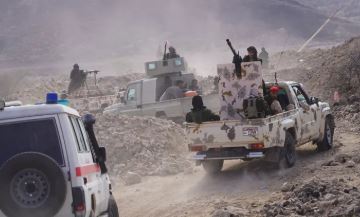
The “limited military operation” destroyed weapons and armored vehicles unloaded from two vessels that arrived from the UAE’s Fujairah port without authorization, according to coalition spokesperson Brig. Gen. Turki al-Malki. The ships had disabled tracking systems, and the cargo was intended for the UAE-backed Southern Transitional Council (STC), which has recently seized control of eastern provinces including Hadramout and al-Mahra.
In a televised address, council head Rashad al-Alimi accused the UAE of directing the STC’s offensive, fueling internal strife, and undermining state authority. He canceled a joint defense agreement with Abu Dhabi, declared a 90-day state of emergency, and imposed a 72-hour blockade on air, sea, and land entries except those approved by the coalition.
Saudi Arabia swiftly backed the demand, stating its national security is a “red line.” The Saudi Foreign Ministry expressed disappointment over UAE actions pressuring the STC near its borders, warning they threaten regional stability and the Arab Coalition’s foundations. Riyadh urged the UAE to comply with Yemen’s withdrawal request and halt all military or financial support to any Yemeni faction.
No casualties were reported in the early morning strike, which Saudi media described as precise with no collateral damage. The UAE has not yet commented on the incident or the ultimatum.
This marks the most direct confrontation yet between the once-aligned Gulf powers, whose differences in Yemen—Saudi support for a unified state versus UAE backing for southern separatism—have intensified amid the STC’s rapid advances this month.
The rift mirrors broader regional rivalries, including competing influences in Sudan, and raises fears of renewed full-scale conflict in Yemen, potentially benefiting the Iran-aligned Houthis. International calls for restraint have grown, with observers warning of unpredictable consequences for Red Sea stability and Gulf unity.
As the 24-hour deadline looms, diplomatic efforts appear stalled, testing the limits of Saudi-UAE relations in a rapidly shifting Middle East landscape.