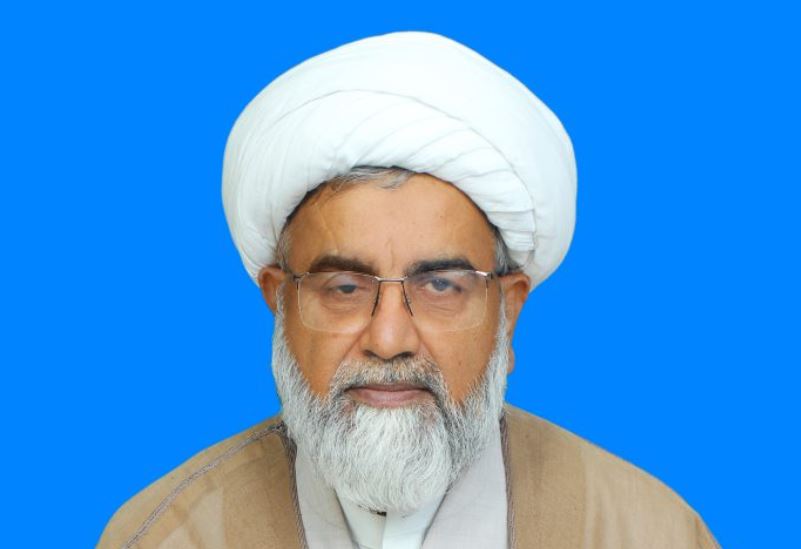
ISLAMABAD, 02 MAR (DNA) — Leader of the Opposition in the Senate, Allama Raja Nasir Abbas Monday strongly criticized Western powers including United States and Israel for attempting to destabilize the Middle East for strategic dominance. Speaking at Senate, he said that the region is politically and strategically vital and global powers are working to reshape it in line with their own interests. He said that the West is seeking to maintain control by creating instability at key “heart points” across the region.
Referring to Iran as a “brotherly neighboring country,” he said the Islamic Republic remains a major obstacle to what he described as expansionist ambitions. He warned that certain U.S. officials have made statements about restructuring the region and expanding influence, including in Palestine and other Middle Eastern states. Abbas reiterated Pakistan’s historical stance in support of Palestinian rights, recalling the country’s position during the 1973 Arab-Israeli war.
The opposition leader also criticized current U.S. leadership, accusing it of sidelining international norms and institutions established over the past several decades. He alleged double standards in global diplomacy and expressed concern over escalating tensions and military deployments in the region. Referring to past negotiations over Iran’s nuclear program, Abbas said dialogue had previously been underway with the involvement of global powers, but he accused Western actors of undermining diplomatic progress.
He maintained that Iran has the right to defend itself under international law and urged Muslim-majority countries to adopt a united stance. Abbas alleged that despite positive signals from negotiators, an attack was carried out targeting offices associated with Ayatollah Seyyed Ali Khamenei. He said the move had deeply hurt sentiments across Pakistan and the broader Muslim world.
He questioned what response could be expected from Iran, asserting that the country has the right to defend itself under international law. The opposition leader also criticized the presence of U.S. military bases across the region, arguing that such deployments contribute to instability.
Abbas called for unity within the Muslim world, framing the situation as not solely Iran’s issue but one affecting the entire region.
He emphasized the need for serious attention to regional security developments and cautioned that further escalation could have long-term consequences for global peace. — DNA