
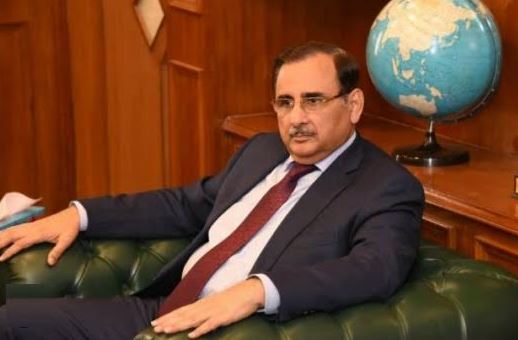
ISLAMABAD, MAY 3 /DNA/ – The Federation of Pakistan Chambers of Commerce and Industry’s (FPCCI) Businessmen Panel (BMP) has expressed deep concern over the ongoing surge in global oil prices, warning that the situation poses a serious threat to Pakistan’s economic stability, industrial growth, and external balance.
FPCCI President and BMP Chairman Mian Anjum Nisar said that the rise in oil prices amid Middle East tensions is already translating into higher inflation, increased cost of production, and mounting pressure on the country’s fragile economy.
In a detailed statement, he noted that Pakistan, which imports a significant portion of its energy needs, is highly vulnerable to external shocks such as oil price spikes. “When international oil prices rise, it directly impacts our import bill, exchange rate, and overall inflation. This creates a chain reaction that affects every sector of the economy,” he said.
Referring to recent economic assessments, BMP highlighted that inflation could remain in double digits if oil prices stay elevated, with estimates suggesting that it may cross 11 per cent in the coming months. The increase in fuel prices, transportation costs, and electricity tariffs is already eroding the purchasing power of consumers and increasing the financial burden on businesses.
The panel warned that rising energy costs would particularly hurt industrial productivity, as manufacturers struggle to cope with higher input prices. Export-oriented sectors, which rely heavily on energy, may lose competitiveness in international markets if production costs continue to rise unchecked.
Mian Anjum Nisar emphasized that the economic outlook is becoming increasingly uncertain, with growth projections already being revised downward. “If the current situation persists, Pakistan’s GDP growth could slow significantly, affecting employment, investment, and overall economic momentum,” he cautioned.
He pointed out that industrial growth, which is a key driver of economic expansion, is likely to weaken due to higher costs and reduced demand. Similarly, the services sector may face a slowdown as consumer spending declines in response to rising inflation.
The BMP chairman also raised concerns about the widening current account deficit (CAD), stating that higher oil imports could push the deficit beyond manageable levels. “Our foreign exchange reserves are already under pressure. A sustained increase in oil prices could further strain the external account and create instability in the currency market,” he said.
According to BMP, the situation could worsen if non-essential imports are not effectively managed. The panel urged the government to implement prudent import control measures while ensuring that essential industrial inputs remain available.
Mian Anjum Nisar also highlighted the potential impact on the exchange rate, noting that continued pressure on the external account could lead to further depreciation of the Pakistani rupee. This, in turn, would make imports even more expensive and add to inflationary pressures.
He stressed that the government must adopt a balanced and proactive approach to address the challenges posed by rising oil prices. “We need a comprehensive strategy that includes fiscal discipline, targeted subsidies, and support for key industries,” he said.
The BMP leadership also expressed concern over the recent increase in the policy rate by the State Bank of Pakistan, arguing that higher interest rates could further slow down economic activity. While acknowledging the need to control inflation, they maintained that monetary tightening alone cannot address supply-driven inflation caused by external factors such as oil prices.
“Raising interest rates increases the cost of borrowing for businesses, discourages investment, and hampers expansion plans. This could lead to reduced industrial output and job losses,” Mian Anjum Nisar added.
The panel recommended that the government focus on enhancing domestic energy production to reduce reliance on imported fuels. Investment in renewable energy sources, such as solar and wind, could help mitigate the impact of global price fluctuations in the long term.
In addition, BMP called for incentives to promote exports and attract foreign investment, which are essential for improving the country’s external position. The panel emphasized the importance of maintaining investor confidence by ensuring policy consistency and transparency.
Mian Anjum Nisar further urged authorities to provide relief to small and medium enterprises (SMEs), which are particularly vulnerable to rising costs and economic uncertainty. “SMEs are the backbone of our economy. Supporting them during this challenging period is crucial for sustaining economic activity and employment,” he said.
The BMP also pointed out that the stock market has shown volatility due to rising oil prices and geopolitical tensions. It advised investors to remain cautious, particularly in sectors that are sensitive to economic cycles, while identifying opportunities in industries that may benefit from higher commodity prices.
Mian Anjum Nisar reiterated the need for coordinated efforts between the government, central bank, and business community to navigate the current economic challenges. He emphasized that timely and effective policy measures are essential to stabilize the economy, control inflation, and ensure sustainable growth.
“The challenges are significant, but with the right policies and collective effort, Pakistan can overcome this difficult phase and move towards economic stability and growth,” he said.